220905 Transhumance Troumouse Baptistesabatut Fanny Vila Luztourisme 9
©

220905 Transhumance Troumouse Baptistesabatut Fanny Vila Luztourisme 9

On the Paths of Pastoralism Mountain Spirit

Come and discover pastoral life – it’s an integral part of the valley’s identity. In the Pays Toy, you’ll hear the bells of the herds ringing out. Depending on the season, you might also see them passing through Luz Saint Sauveur. A traditional activity to be enjoyed to your heart’s content.

Pastoralism Ancestral know-how

Pastoralism in the Luz Valley is a living tradition. Every year, the flocks are taken up to the summer pastures, keeping an age-old way of life alive. The shepherds shape the landscape by maintaining the high-altitude meadows and local biodiversity.

This method of livestock farming promotes authentic, recognised-quality products, such as lamb bearing the Barèges-Gavarnie Protected Designation of Origin. It also helps to preserve a balance between people, animals and nature.

Discovering pastoralism means immersing yourself in a rich culture, deeply rooted in the local area.

Did you know that?

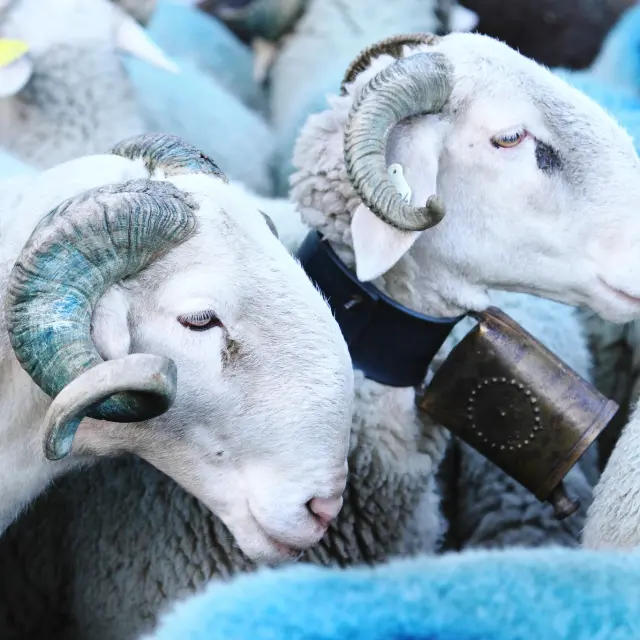
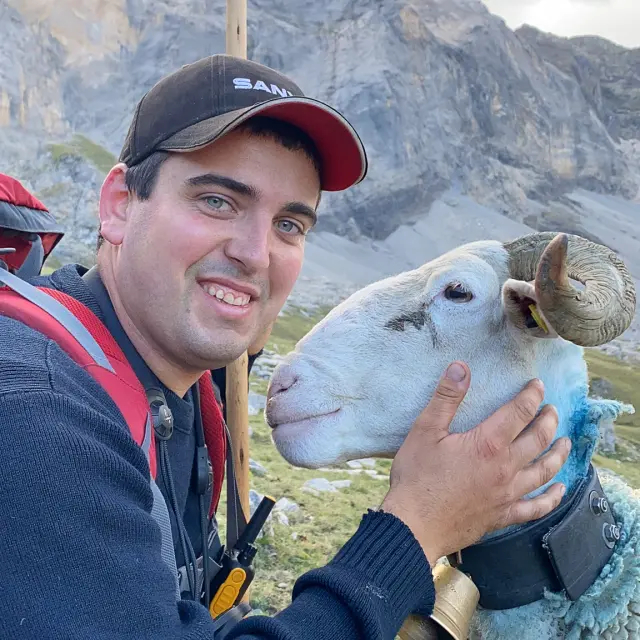
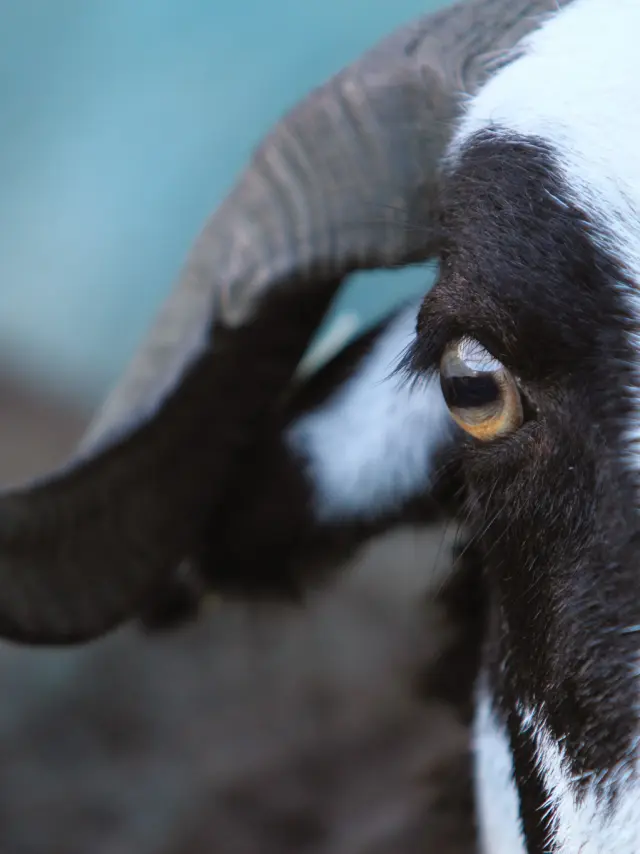
Rams do not wear bells. It is the ewes or the rams (castrated males) that are fitted with them. They are attached to the finest and friendliest ewes. Decorative bells (trucou) are used for transhumance (mude); they are attached to the finest rams, a source of pride for the farmer.

A Shepherd’s Word

Transhumance Along the mountain pasture trails...

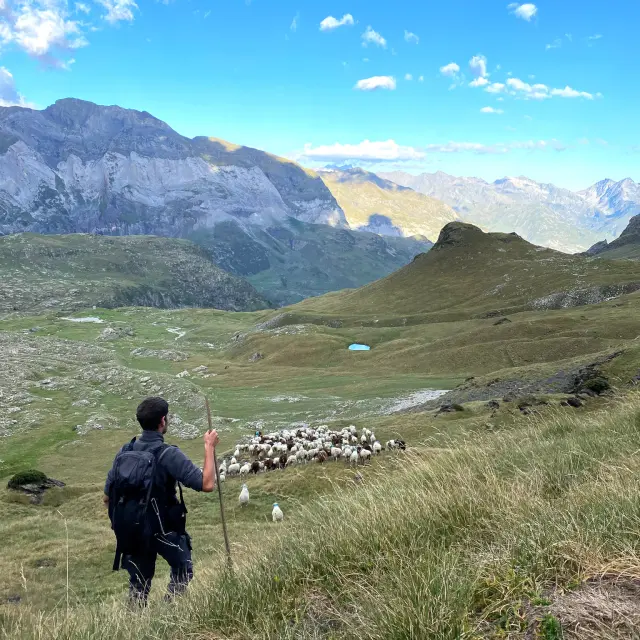
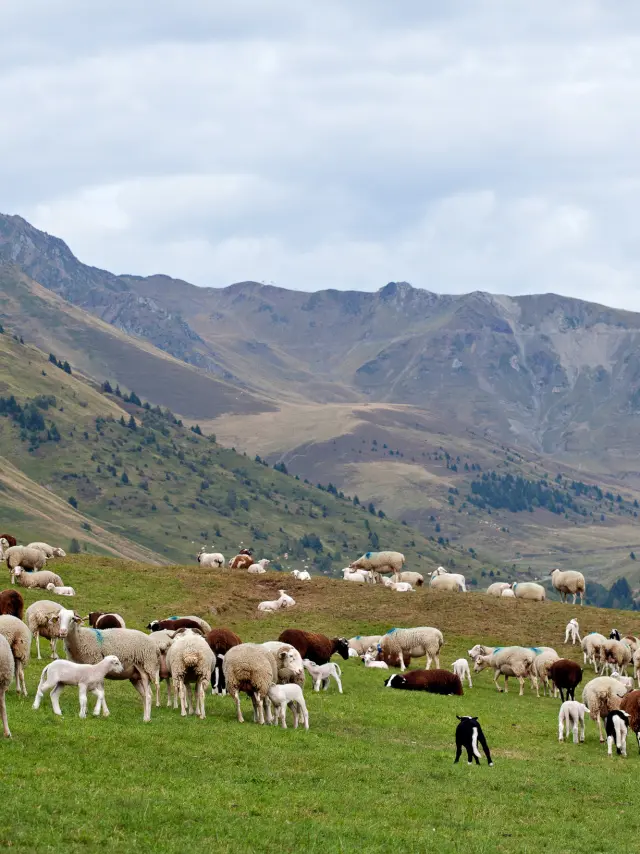
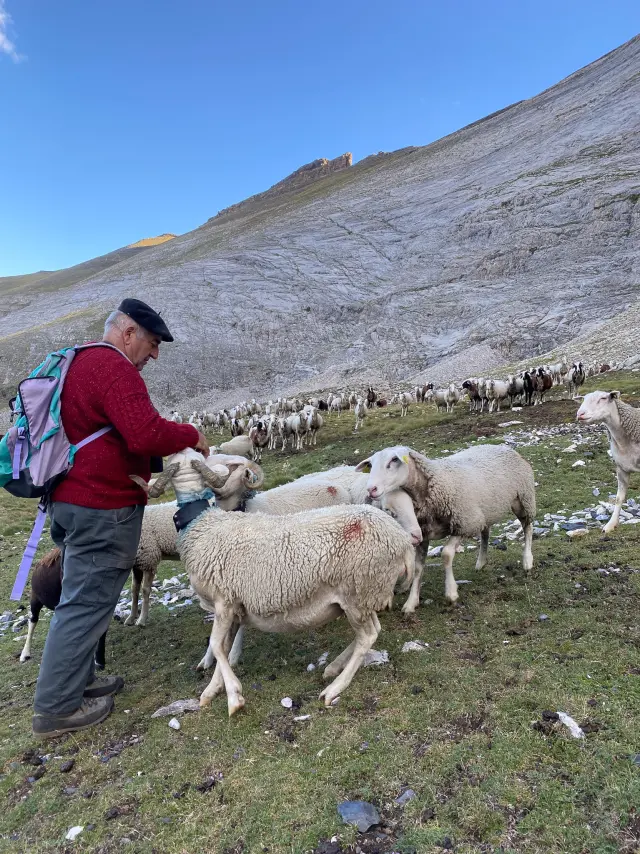
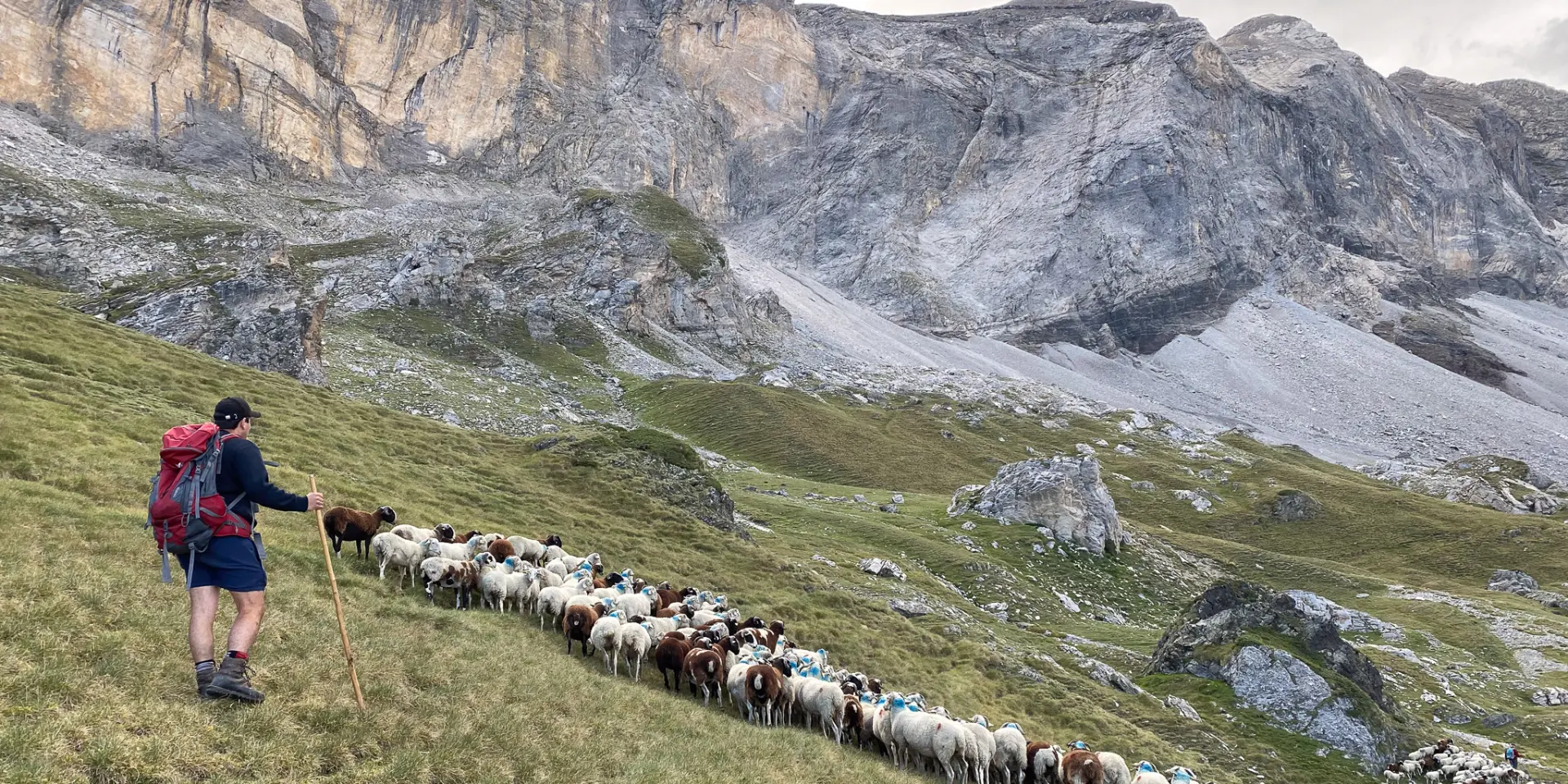
In the Pays Toy, the herds move with the changing seasons. As soon as the fine weather arrives and the frosts are over, they head up into the mountains to graze on fresh grass. At the end of summer, they return down to the valley. This is known as transhumance.

The herds’ ascent to the summer pastures is the highlight of pastoral life!

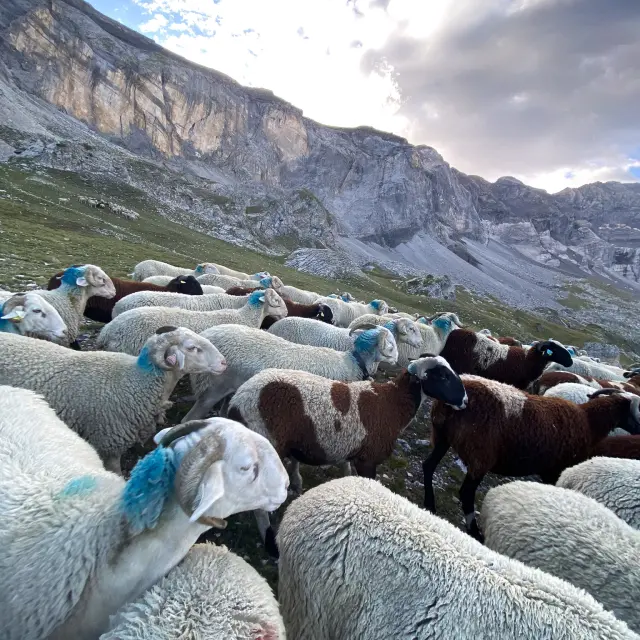
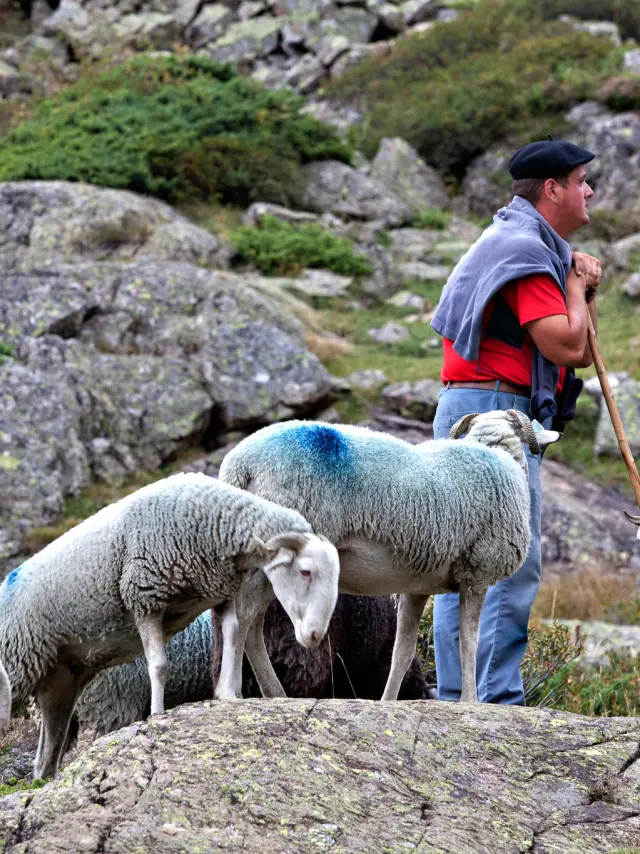
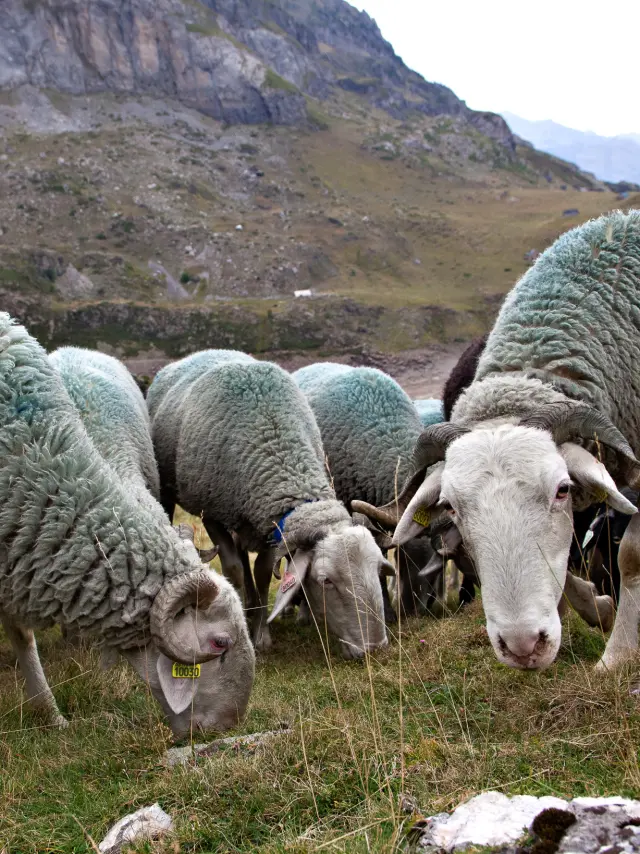
Before setting off, the animals are prepared. Bells are attached; their ringing will help the herder and the animals recognise one another. Thevanimals’ fleece is marked with different colours to distinguish those from the same sector. Their ears are also marked; each animal is fitted with a numbered ear tag to identify lost animals or straying young… The traditional methods (notches, distinctive small holes, etc.) specific to each farming household are still used today as a supplement and out of tradition.

Transhumance is still practised in the traditional way. However, it is increasingly carried out using a livestock trailer; this reduces stress on the animals and makes it easier to navigate increasingly busy roads.

Each herder is allocated a specific area of the mountains, which the animals have come to know through generations. They know the places and times when the grass is at its most palatable, as well as the shelters, resting places and water sources.

In the mountains, the animals are right at home!

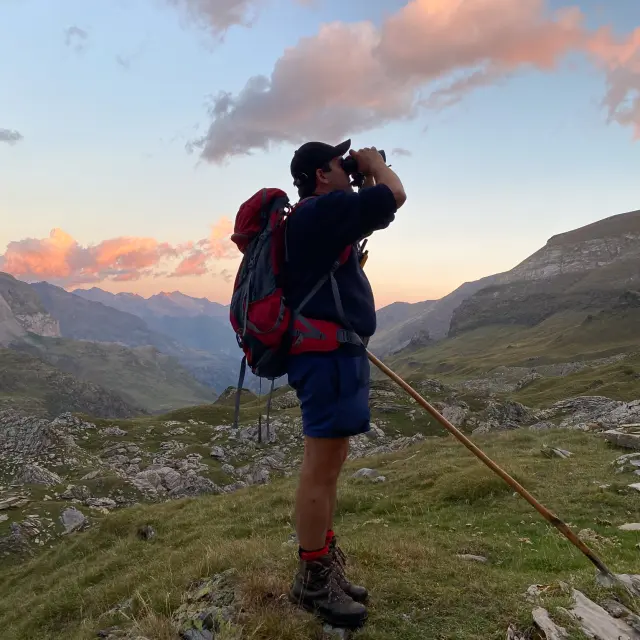
The herder visits them on average once a week. He locates his flock using binoculars. With the help of his dog, he gathers them together to count the animals, provide any necessary care, and give them salt. Salt is an essential dietary supplement for the animals. Distributing it also helps to train the flock to always return to the same spot.

The summer grazing period is vital for the animals’ development and fattening, and is a key requirement for the Protected Designation of Origin.

Mountains without borders

The Col de la Bernatoire is the pass through which shepherds from northern Aragon have, since time immemorial, led their flocks to the greener slopes of the northern side. They have long felt at home there, as the French arrived later in these summer pastures. As land belonging to no one is naturally coveted by all, the history of these pastures is nothing but a succession of conflicts, treaties and agreements – known as ‘lies et passeries’ – each of which was circumvented as soon as it was concluded. At the start of the 20th century, the disputes finally subsided, and the treaties even ended up creating a sort of common market for grass. Today, nearly a thousand head of cattle cross the border and, at the end of July, the French and the Spanish celebrate their agreements.

A meeting with Jean Cazaux  Listen to the podcast

Site Manager at the Barège Valley Trade Union Committee

240529-INTERVIEW_CSVB.mp3240529-INTERVIEW_CSVB. Date de sortie : 2024.

Fairground barns Discover

They form part of the Pays Toy’s landscape heritage. They are relatively small in size and their interior fittings are kept to an absolute minimum. They are all oriented north-south: their layout is the result of adapting to the terrain, the prevailing wind and the presence of a spring.

The hayloft is situated on the upper floor and is often accessed via a ramp against the gable wall. The sheepfold is on the ground floor.

The farmers built these structures themselves using stones gathered locally – from the fields, from the stone piles at the foot of the cliffs, or brought back from the banks of the Gave. Originally, the roofs were thatched, as this was cheaper and more readily available than slate. The thatch was protected from the wind and rain by stepped gables known as ‘pènaous’. These small steps, wider than the supporting wall, were also designed to channel rainwater away from the building.

Protected Designation of Origin Barèges-Gavarnie

This appellation is characterised by very specific attributes, linked to its high-altitude terroir.

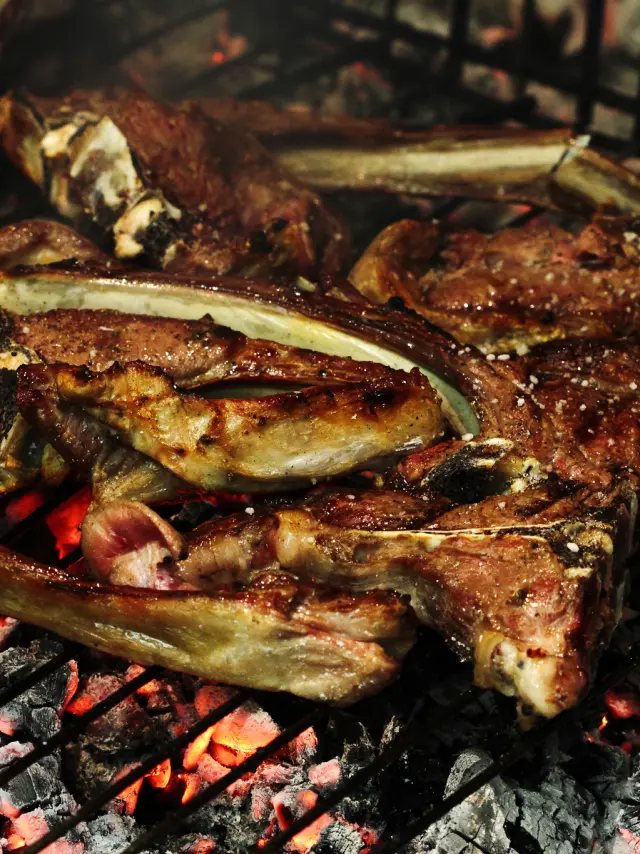
The herds, of the Barège breed, live in harmony with the seasons, spending at least two summer grazing periods in the mountains, where they feed exclusively on natural vegetation. This diet and the transhumance result in bright red meat that is finely marbled, tender and mild in flavour, with subtle aromas of mountain plants such as wild thyme.

The PDO also guarantees that every stage – from birth to rearing and processing – takes place within the same territory, ensuring full traceability.

Behind this label lies a strong commitment: to preserve ancestral know-how, small-scale farming and living landscapes.

Ultimately, it is a collective story, driven by dedicated farmers since the 1990s, who were awarded the AOC in 2003 and then the European AOP in 2008.

Discover pastoralism 3 visits

La Carde Wool Mill Interpretation trail

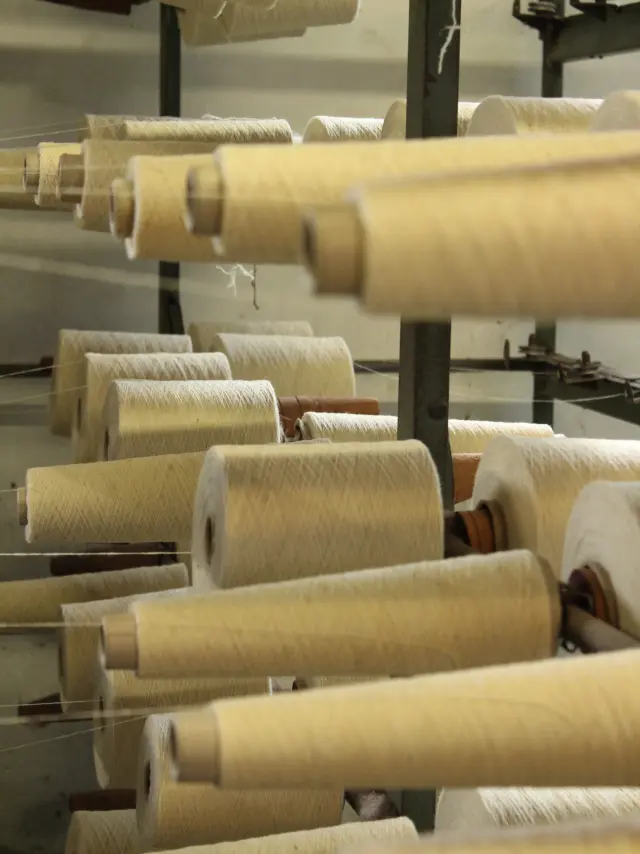
Discover the 12 stages of wool processing, from carding to spinning, on the roof terrace.

Free entry from Monday to Saturday, 9am to 12 noon and 2pm to 6.30pm.

Light and Customs Ecomuseum

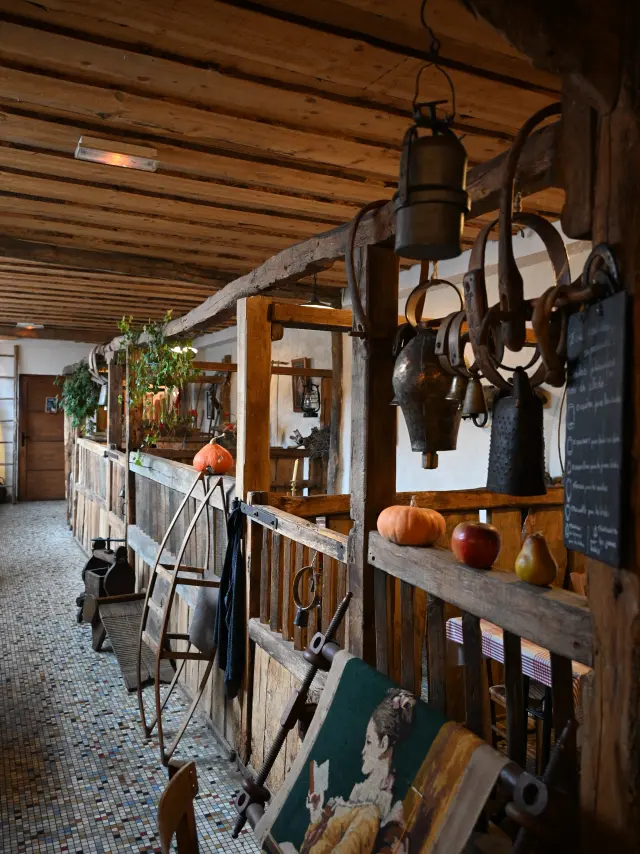
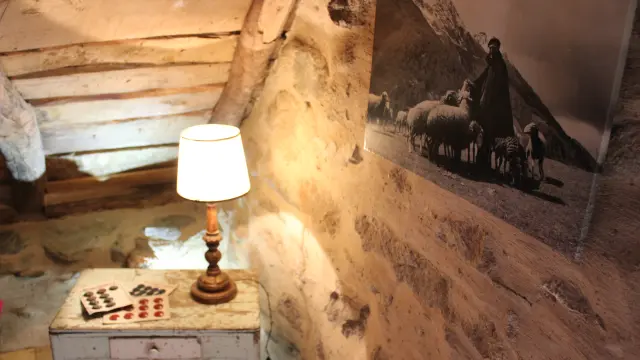
In a reconstruction of a traditional barn, an exhibition of old objects and tools.

Free entry from Tuesday to Saturday, 10am to 12 noon and 2pm to 6pm.

Millaris Interpretation centre

A journey to the very heart of the ‘Land of Cirques’, exploring agriculture, pastoralism and the history of the valley.

Free entry from Monday to Saturday.