©

Images from the partnership with Bellota, Summer

|

L_Nedelec

Pyrenees National Park Spectacular Pyrenees

Pyrenees National Park Remarkable landscapes

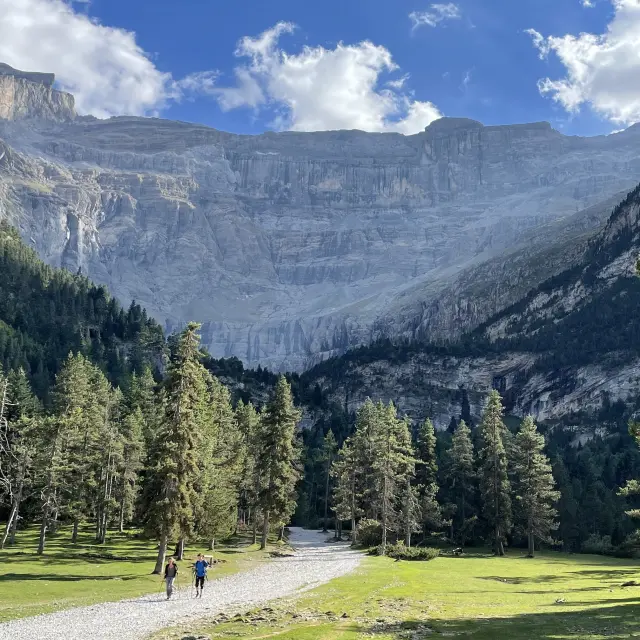
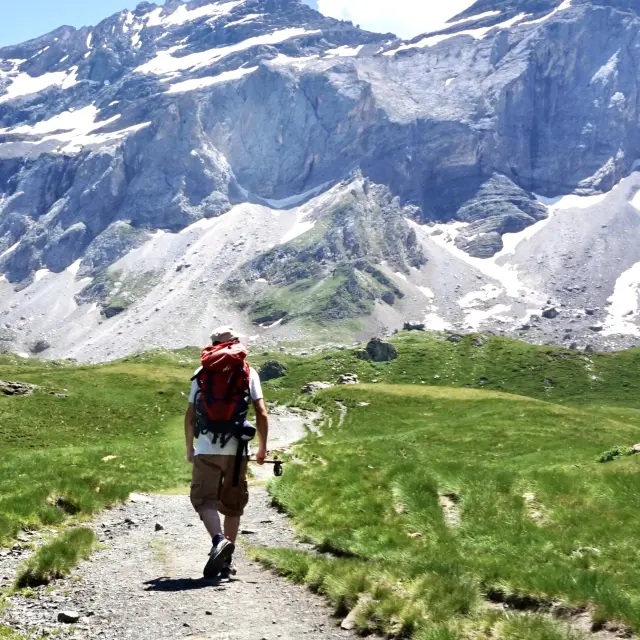
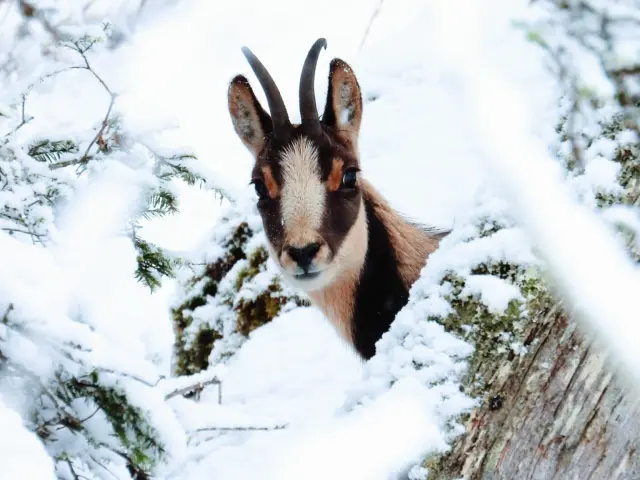
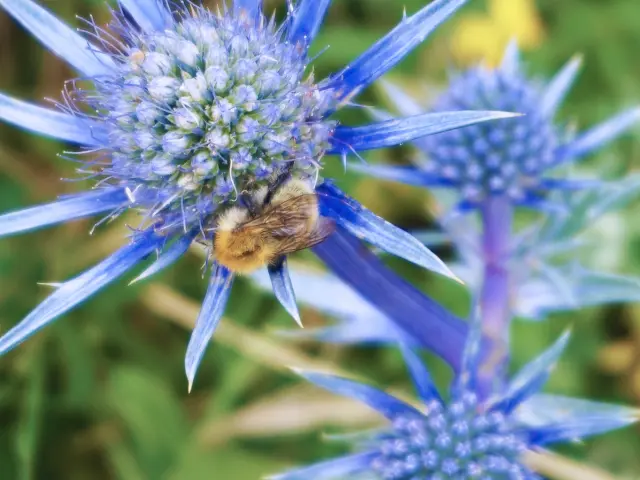
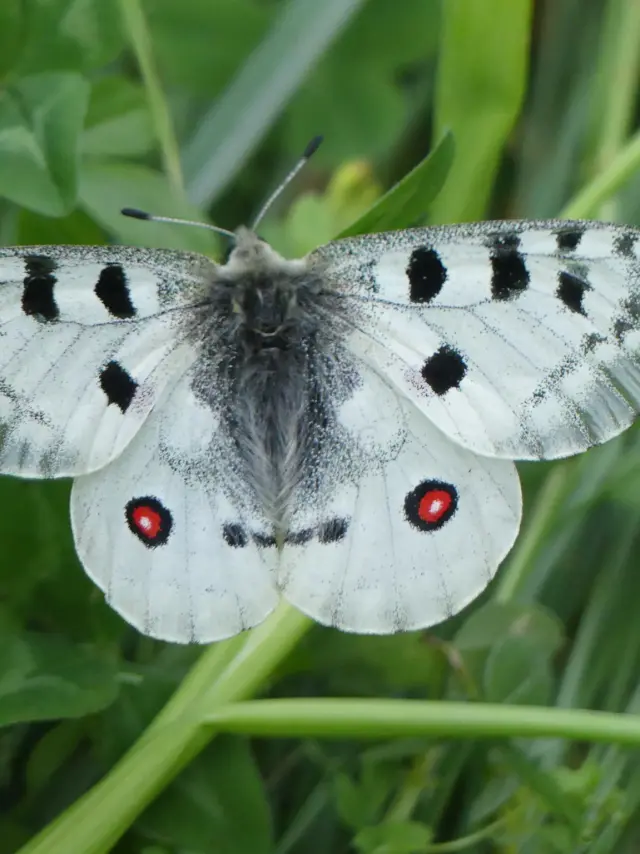
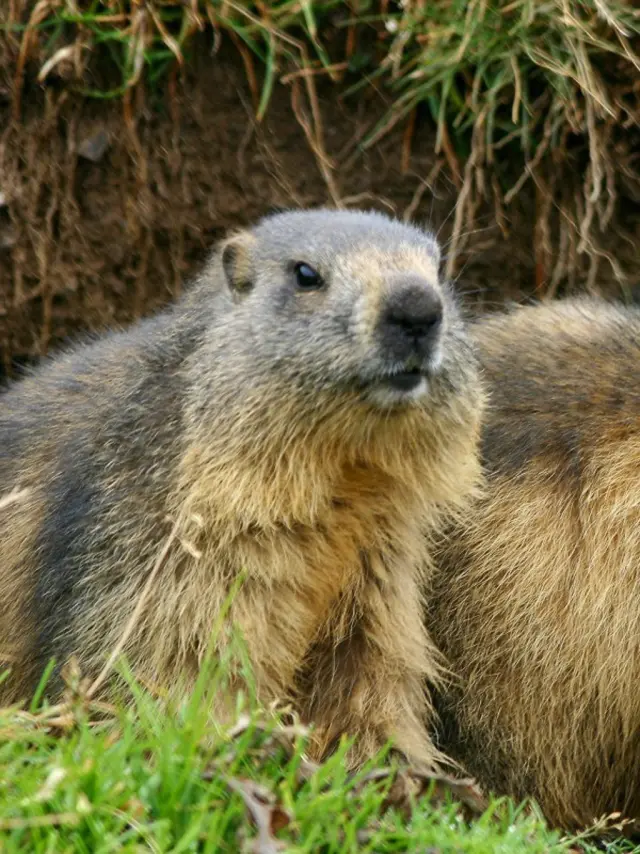
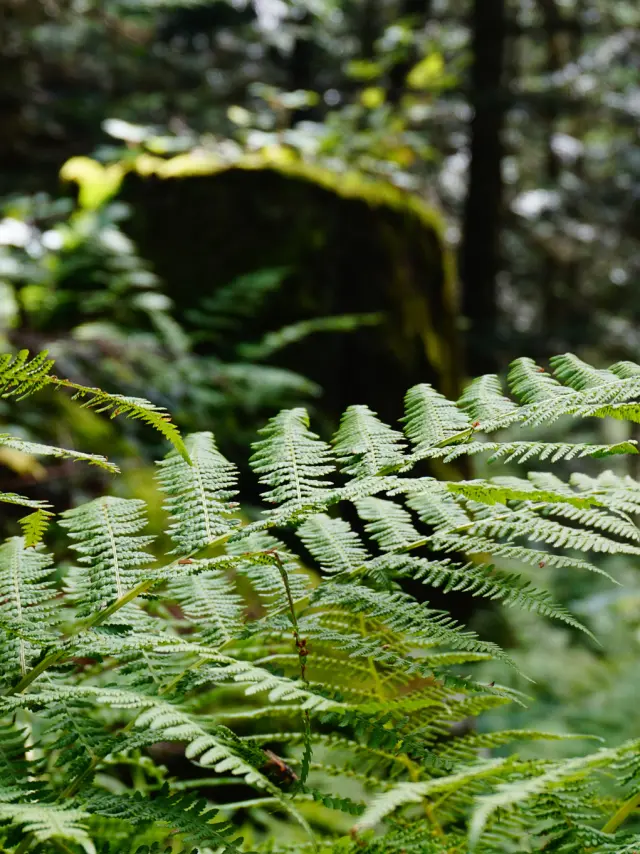
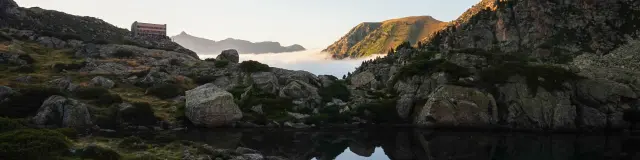
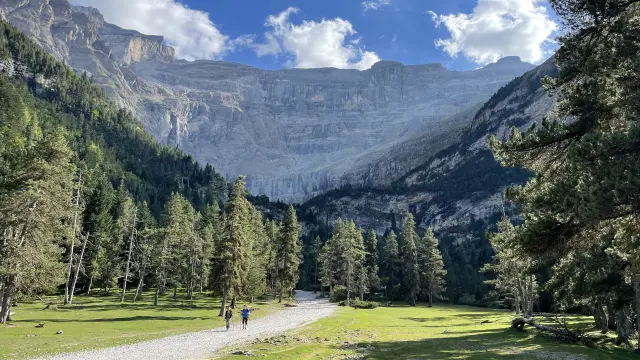
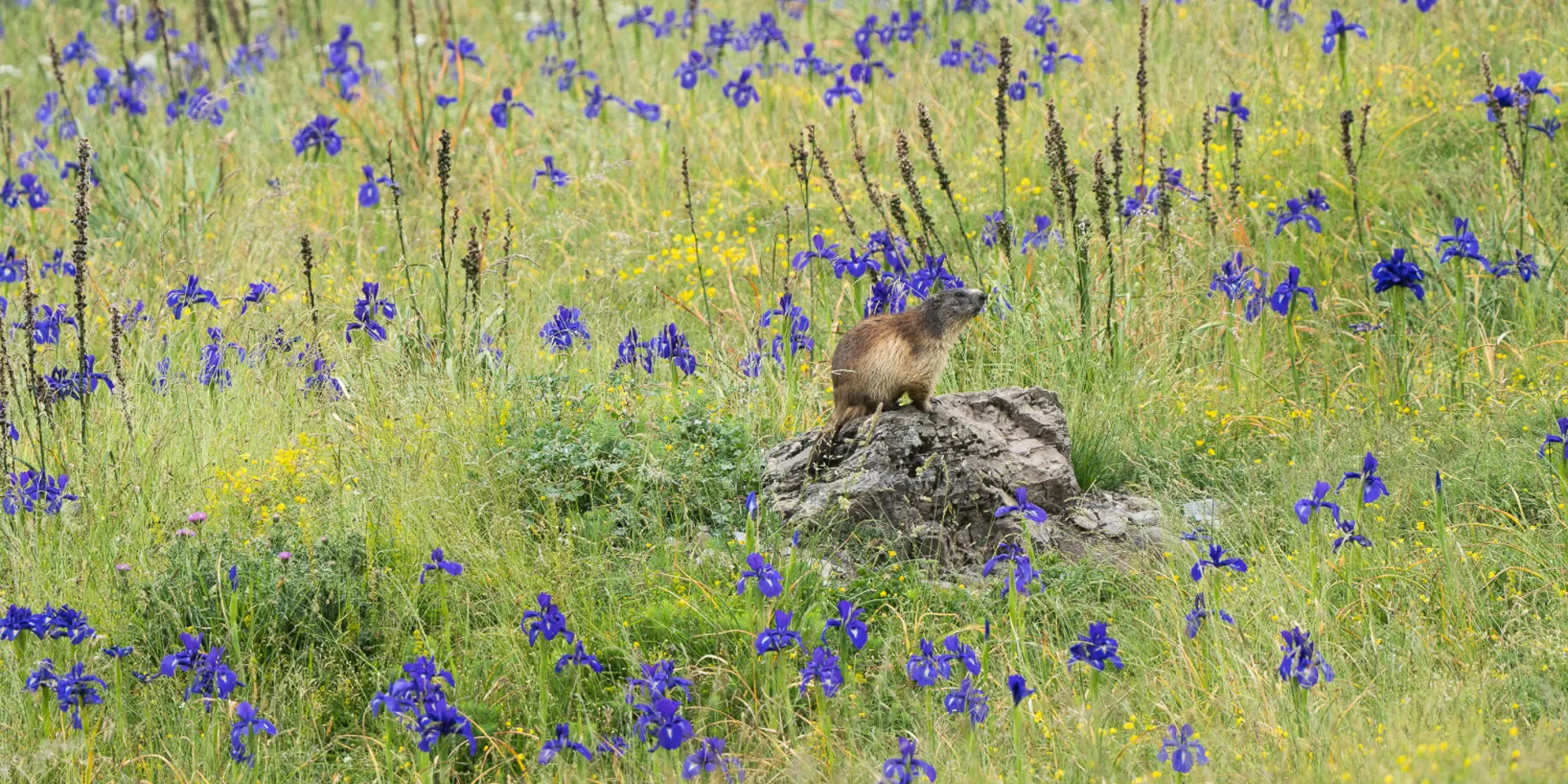
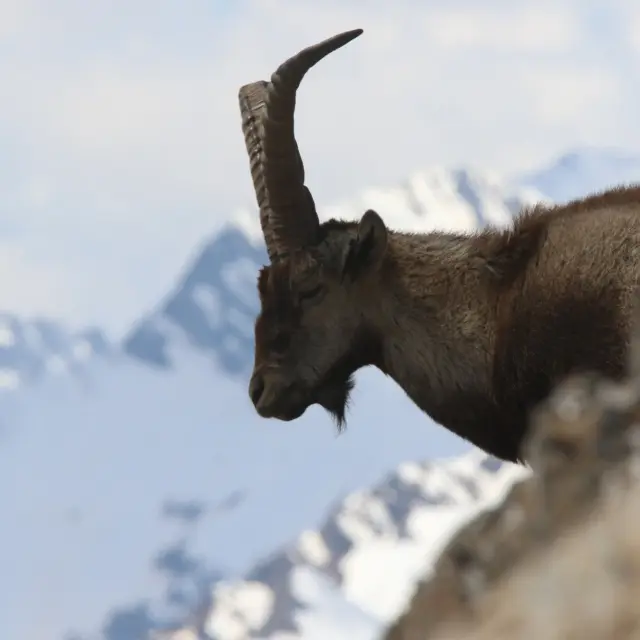
Situated on the edge of the heart of the Pyrenees National Park, Luz-Saint-Sauveur offers you a wealth of animal and plant species to discover, from the summit of the Vignemale to the Pic de la Munia.

Luz Valley – Gavarnie Protected areas

The Pyrenees National Park comprises two areas:

  • the core zone

It has no permanent residents and is subject to specific regulations designed to protect biodiversity and the exceptional nature of the Park’s natural, cultural and landscape heritage.

  • the buffer zone

In this area, the Pyrenees National Park acts as a partner to the local community. A charter, drawn up in collaboration with local stakeholders, sets out the objectives for protecting the Park’s core area and the guidelines for the sustainable development of the valleys, particularly with regard to landscapes, agriculture, forests, tourism, heritage and water resources.
Locate the National Park Luz, base camp

©

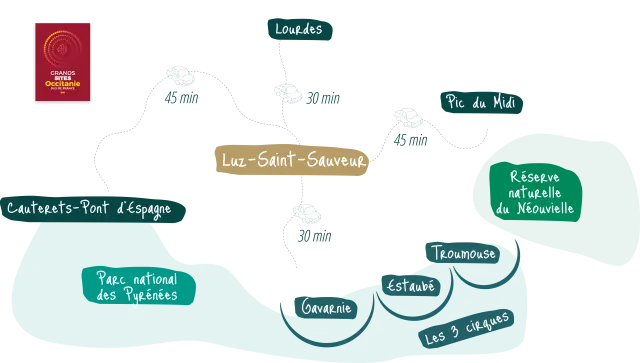
Grands Sites map

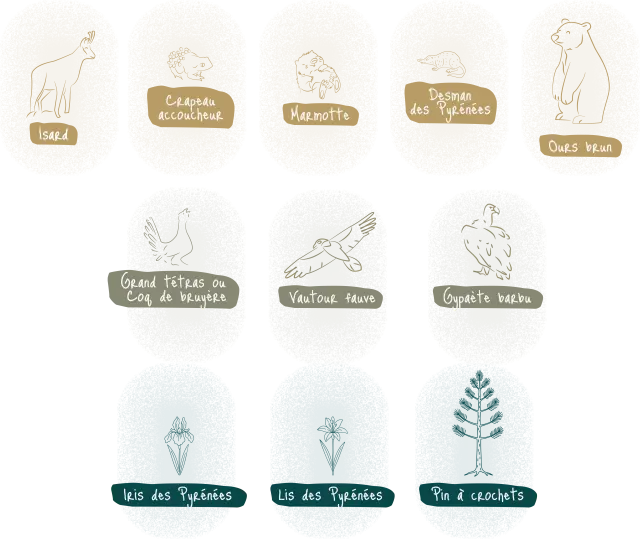
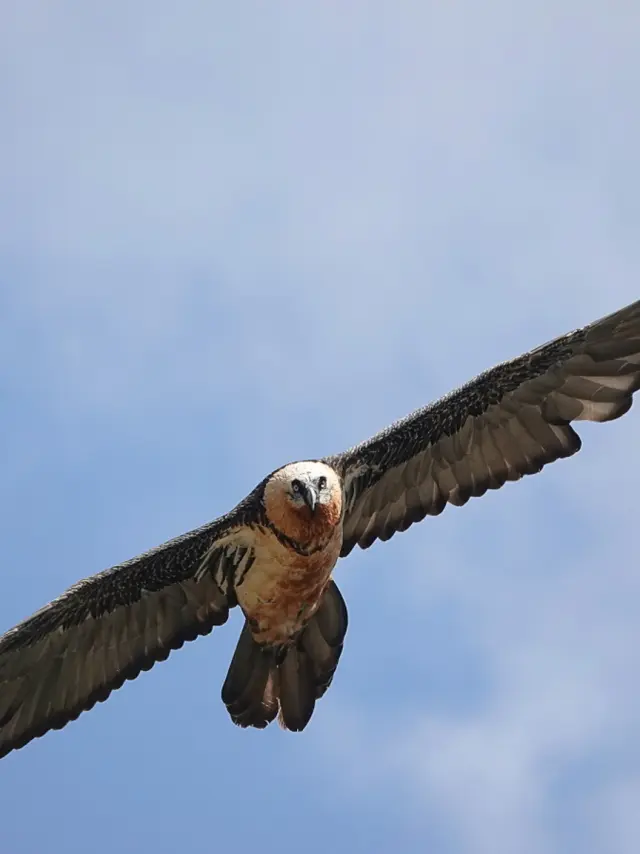
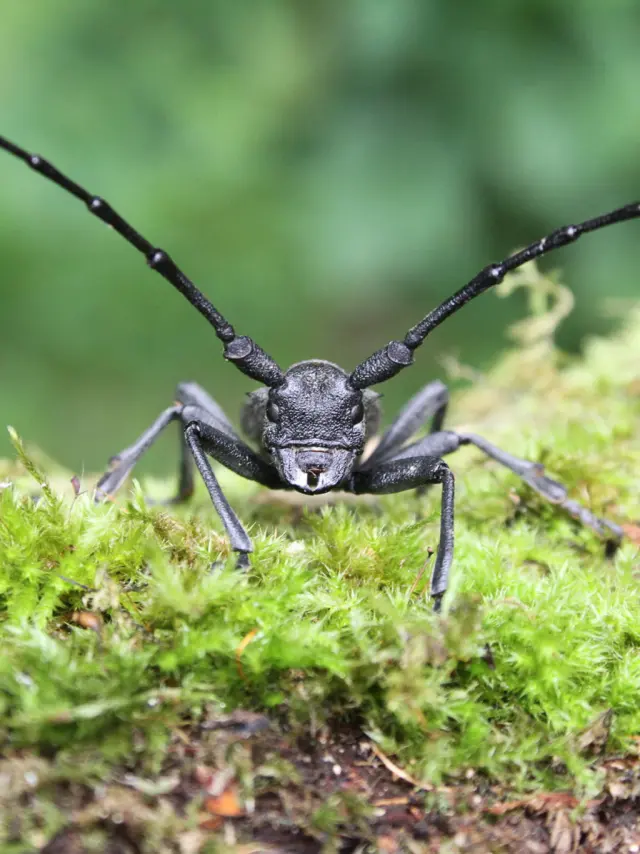
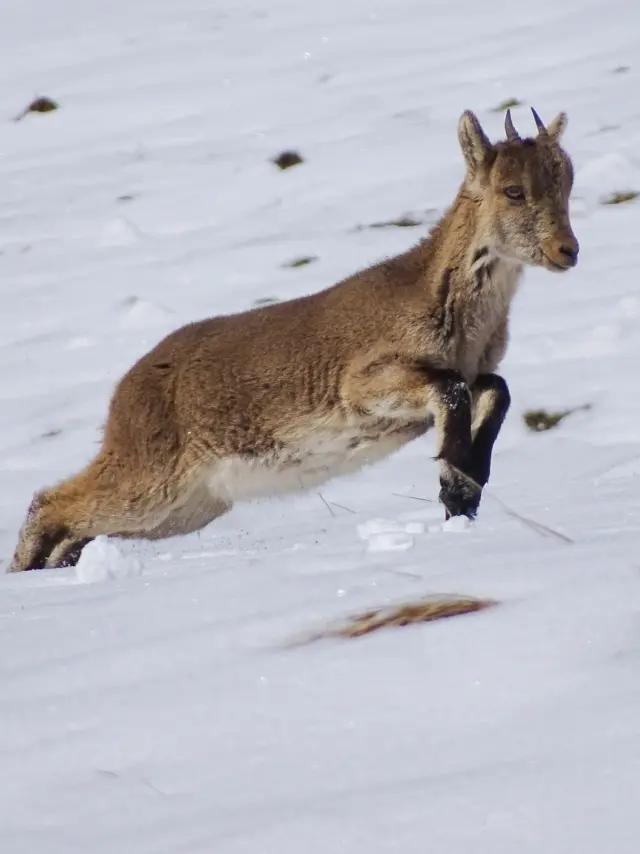
Identifies flora and fauna found in the park...

Respect The regulations

The core area of the National Park is a natural area subject to regulations set out in a code of conduct:

  • No dogs.
  • No picking or collecting of animals, plants, minerals or fossils.
  • No swimming or water-based activities in lakes and rivers.
  • No litter.
  • No fires.
  • No camping.
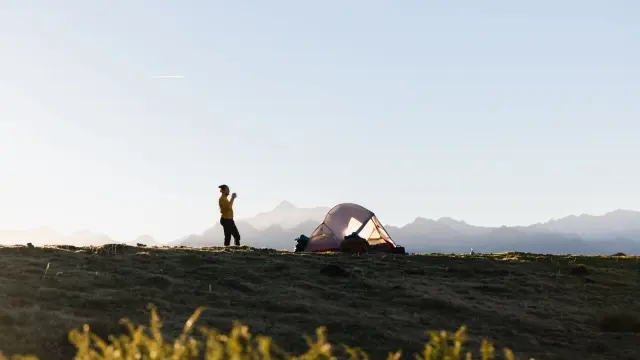
  • Bivouacking is permitted only between 7 pm and 9 am, at least one hour’s walk from the boundaries of the National Park or from a road access point.
  • No vehicles or mountain bikes.
  • Drones prohibited.
  • No noise or disturbance.
  • No weapons.

Esprit Parc Discover the brand

Its aim is to promote the sites, activities and products of the businesses that contribute to the region’s wealth. ‘Esprit Parc National’ recognises the work and expertise of those who are passionately committed to a philosophy of sharing, authenticity and the preservation of biodiversity.

Luz Valley – Gavarnie Protected areas

To preserve biodiversity, landscapes and the built and culturalheritage; to welcome the public so that they can enjoy this heritage whilst respecting it; to reconcile nature conservation with economic activities; and to contribute to the sustainable development of the valleys – these are the objectives of a National Park.
To protect, we must understand.

To this end, studies are being carried out by staff at the Pyrenees National Park and its partners across the region. Compiling inventories of animal and plant species, studying the climate… all this research enables us to propose appropriate management strategies.

This may also lead to the reintroduction of extinct species, or the restoration of threatened native animal and plant species.

Go to The Park and Valley Centre

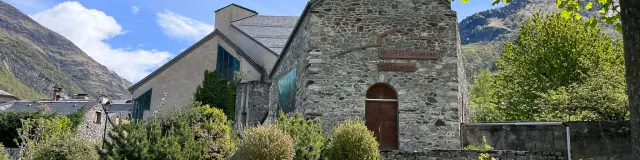
Located in the heart of the village of Luz Saint Sauveur, come and visit the Maison du Parc national et de la vallée. Here you’ll discover traditional architecture featuring vaulted ceilings and stone walls, topped with a beautiful wooden roof structure.

Here you’ll find the national park’s information centre, as well as exhibitions, concerts, social events and a cinema.

A true dialogue between nature and culture.

Timetable

Monday > Saturday: 2 pm to 7 pm

Sunday: 5 pm to 7 pm.

Address

24, Place Saint Clément
65120 – LUZ-SAINT-SAUVEUR

Preserve other natural sites

Natura 2000 sites

Natura 2000 is a vast European network of natural sites of significance for biodiversity. Its aim is to maintain, or even restore, the biological richness of these habitats, whilst taking into account the local economic, social and cultural context. No fewer than 14 Natura 2000 sites bear witness to the great richness of the natural heritage in the Gaves Valleys and contribute to the controlled and sustainable management of natural environments.

The Pibeste-Aoulhet Nature Reserve

The Pibeste-Aoulhet Massif Nature Reserve, established in 1994, is the largest Regional Nature Reserve in France, covering an area of 5,000 ha. Discover this unique natural area at the heart of the limestone Pibeste Massif. Thanks to its geographical location, at the confluence of oceanic, Mediterranean and mountain climatic influences, you can enjoy a wide variety of flora and fauna: over 850 plant species, 22 species of birds of prey, including the Egyptian vulture – the Reserve’s emblem – and numerous large mammals such as the Corsican mouflon…

The Néouvielle Nature Reserve

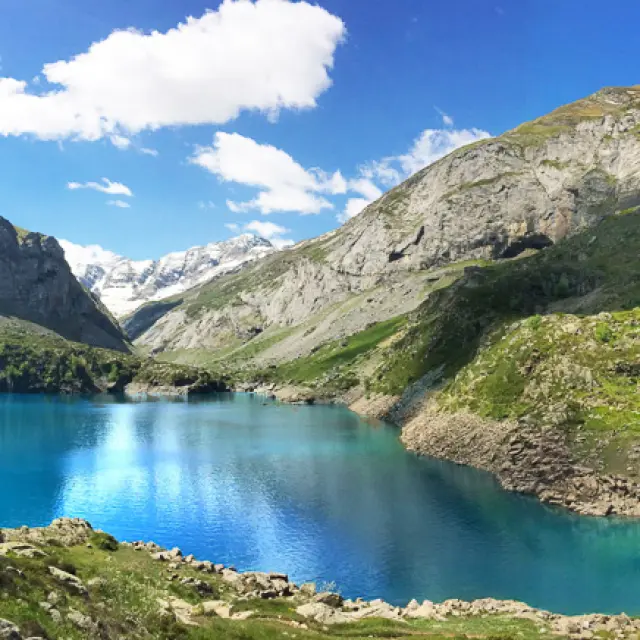
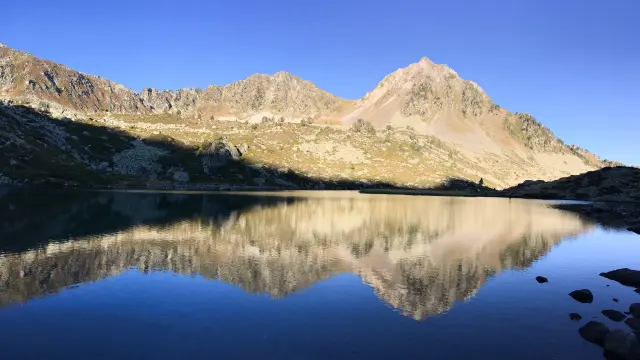
This nature reserve, managed by the National Park and protecting the Néouvielle granite massif, is a haven of beauty, featuring numerous lakes and magnificent panoramic views in shades of azure and turquoise.