©

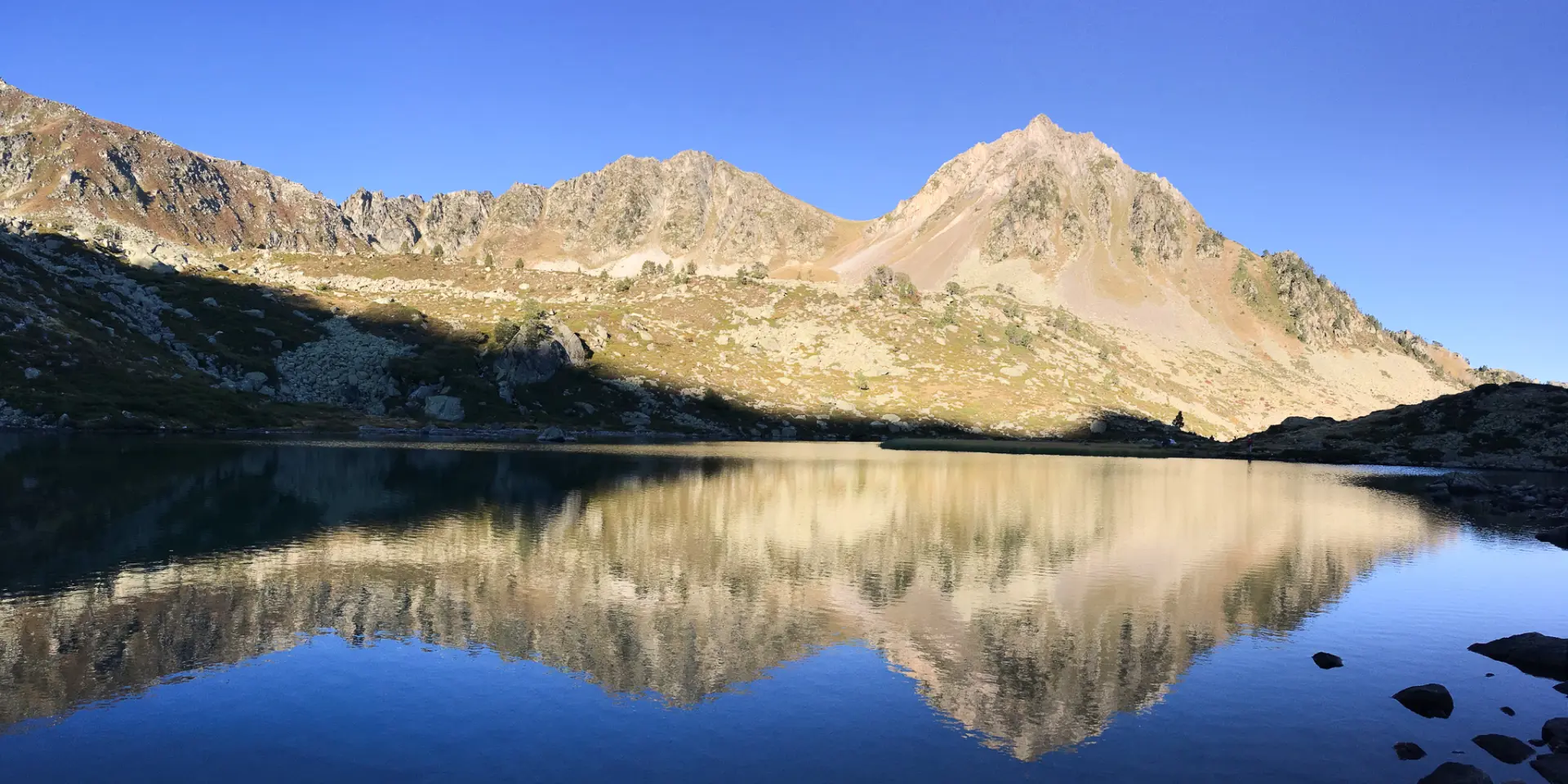
200913 Neouvielle Lac Blanc Nadege Imbert 4

|

Nadège Imbert

Mountain Lakes Reserve Spectacular Pyrenees

Have a refreshing drink by a lake!

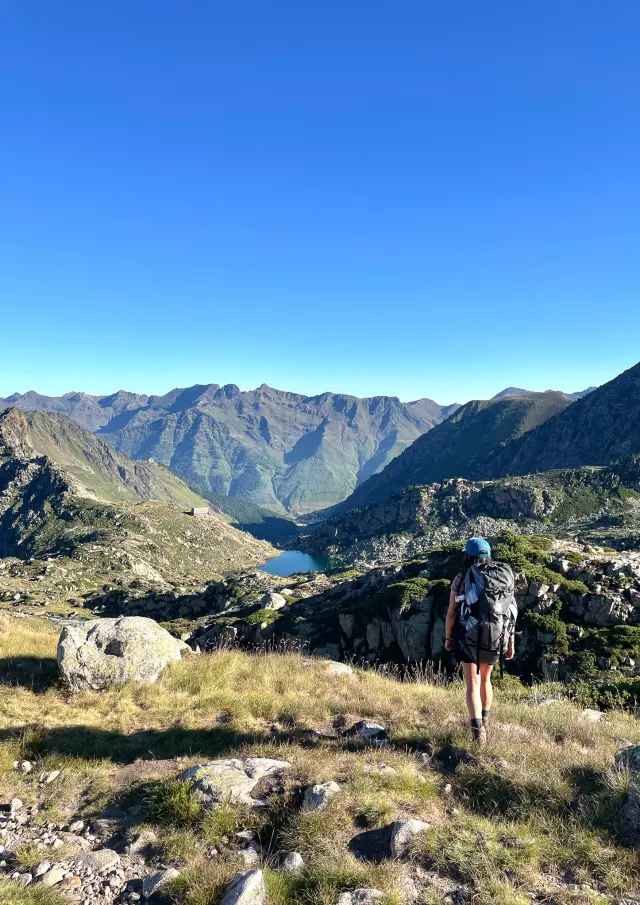
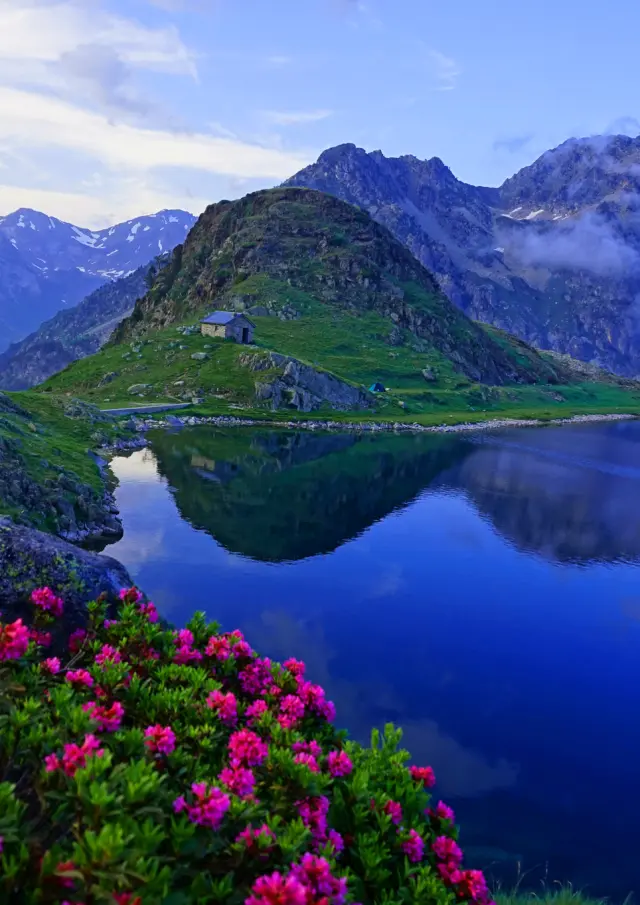
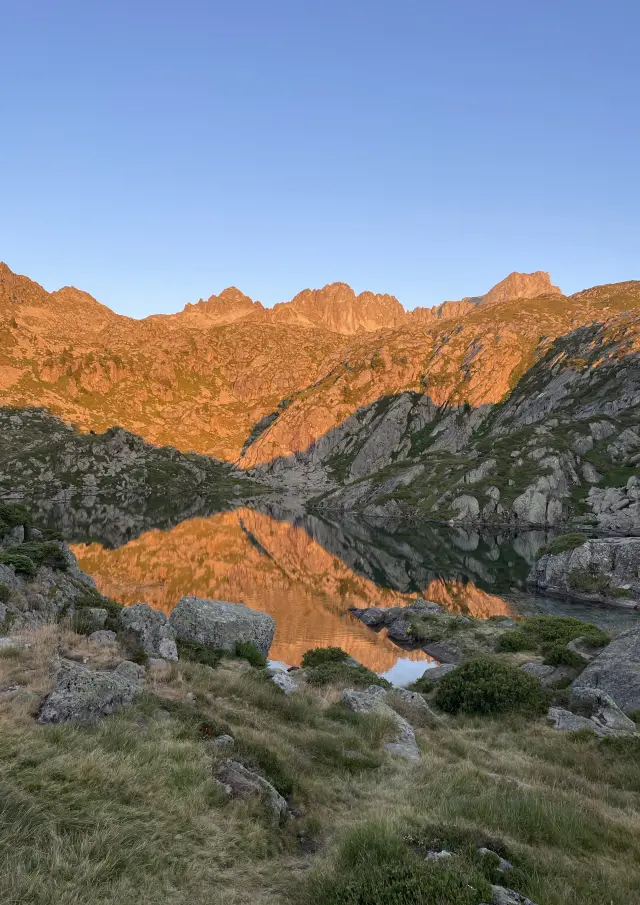
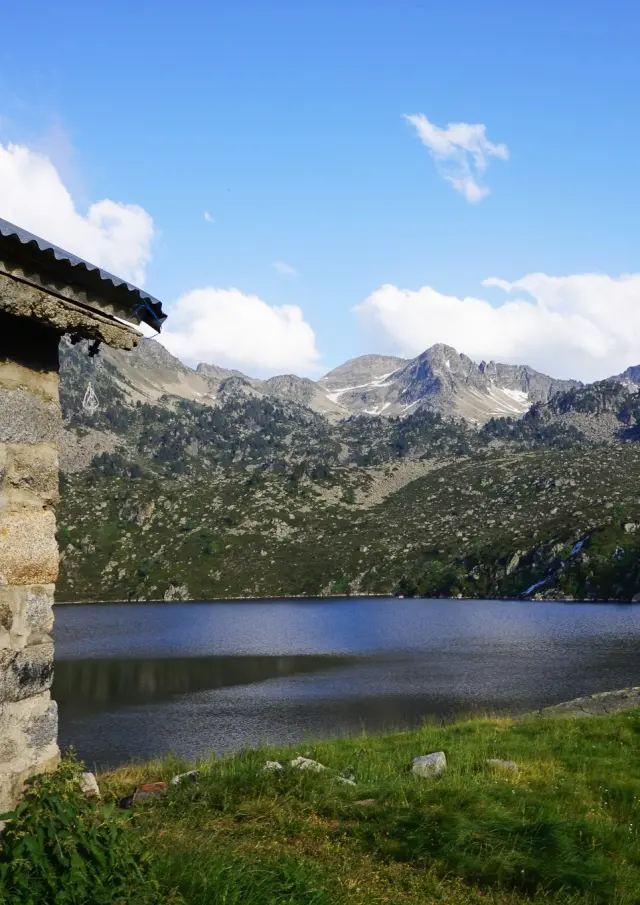
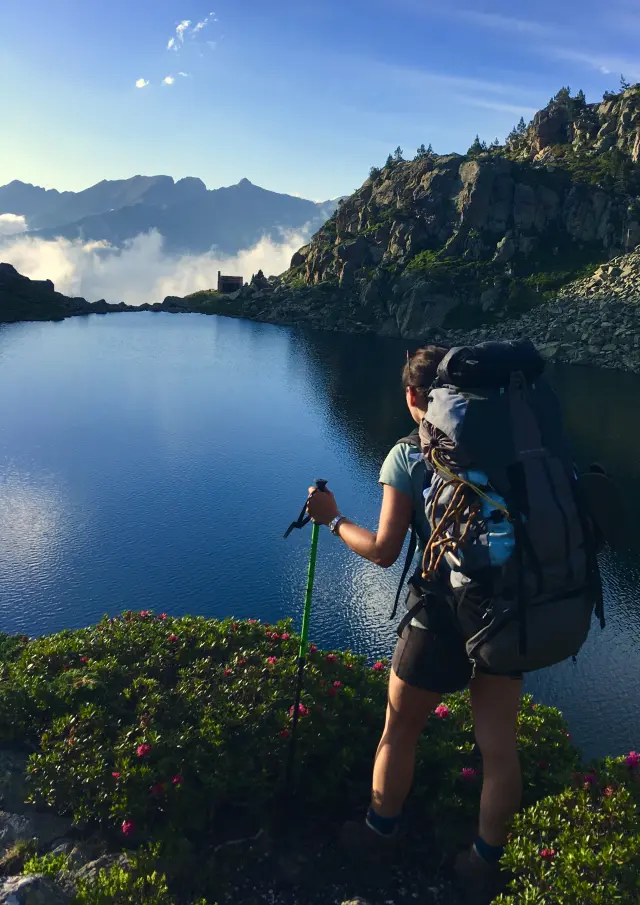
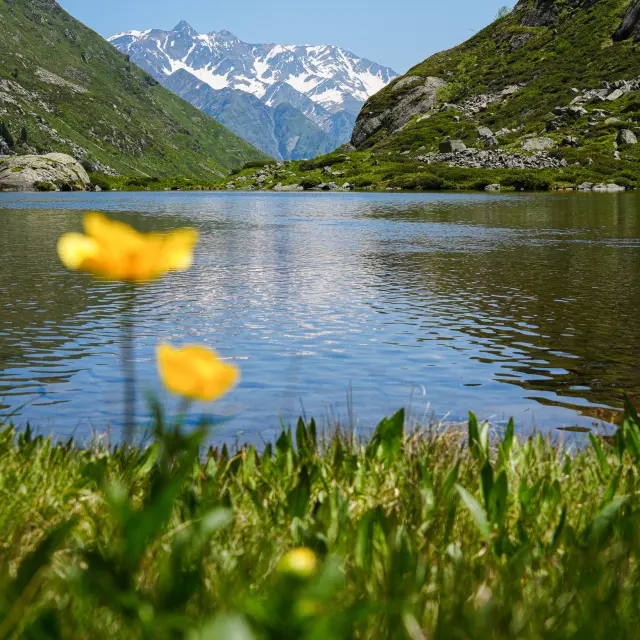
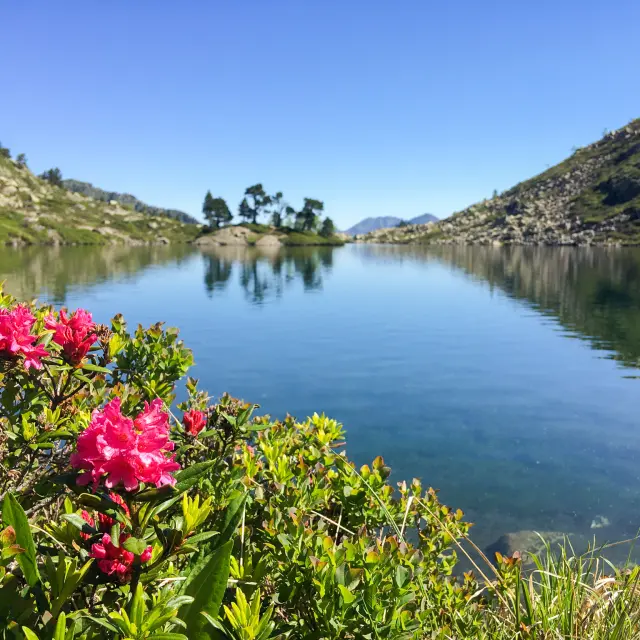
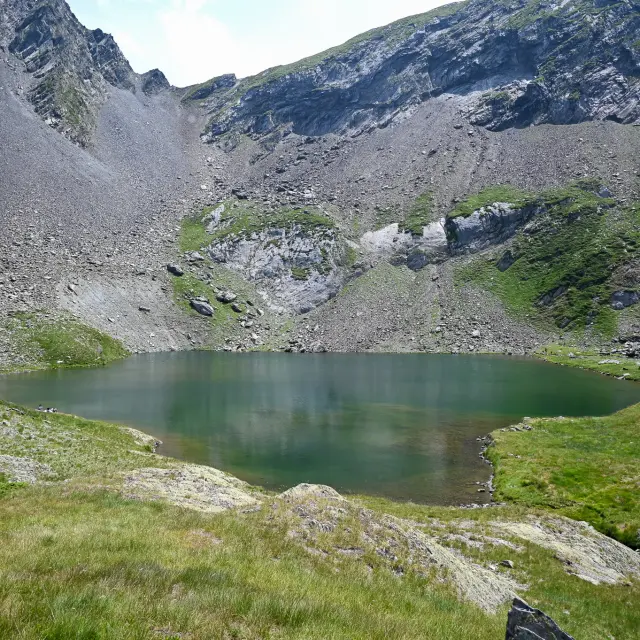
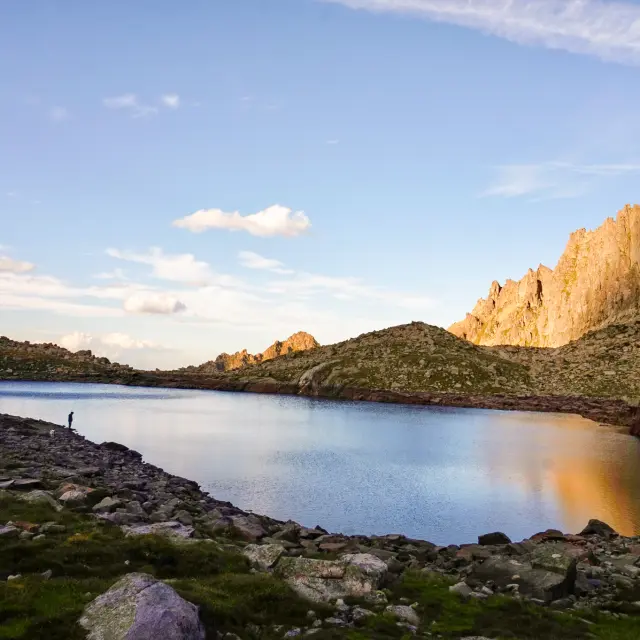
Take a few steps forward and let the mountain open one of its most beautiful gates to you: that of the lakes in the Néouvielle Nature Reserve. Here, the water sculpts the landscape, the silence takes on a deeper quality, and every reflection tells a story of wildlife. You can also enjoy the tranquillity of the other high-altitude lakes: Bastampe, Ardiden, Cestrède… Families, meanwhile, will love a picnic by the lakeside, accessible by car.

Go to the Néouvielle Nature Reserve

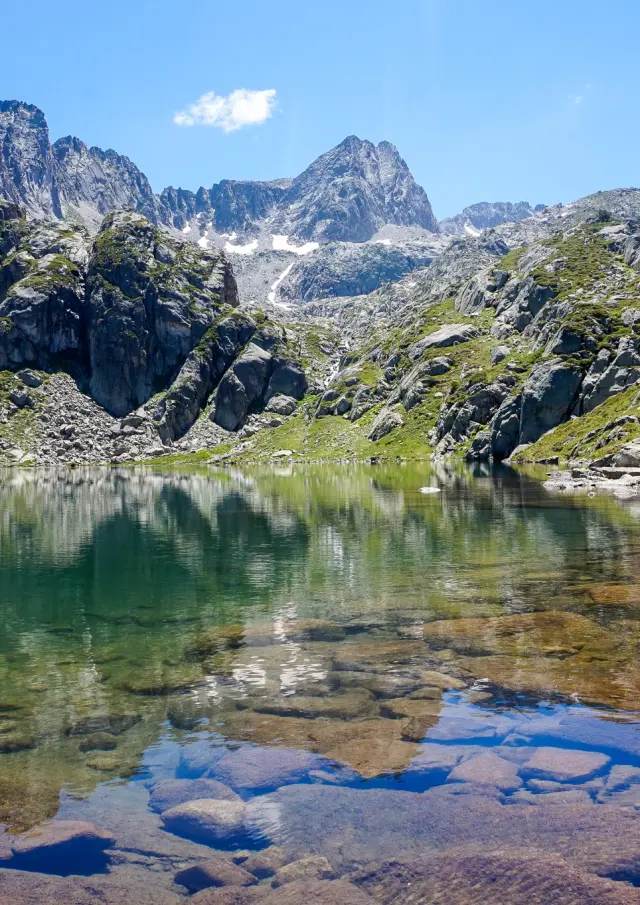
Established in 1936, the Néouvielle Granite Massif is remarkable for its numerous lakes and diverse landscapes.

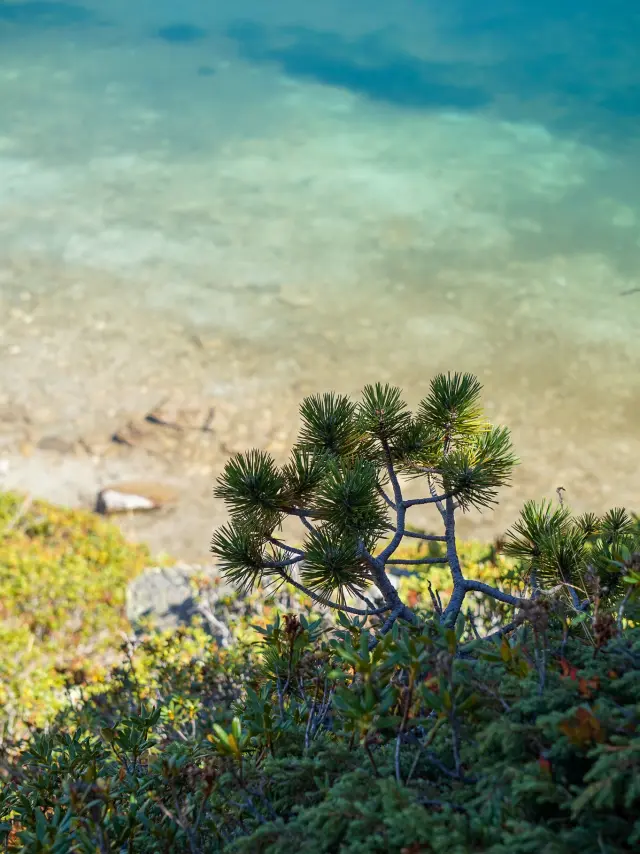
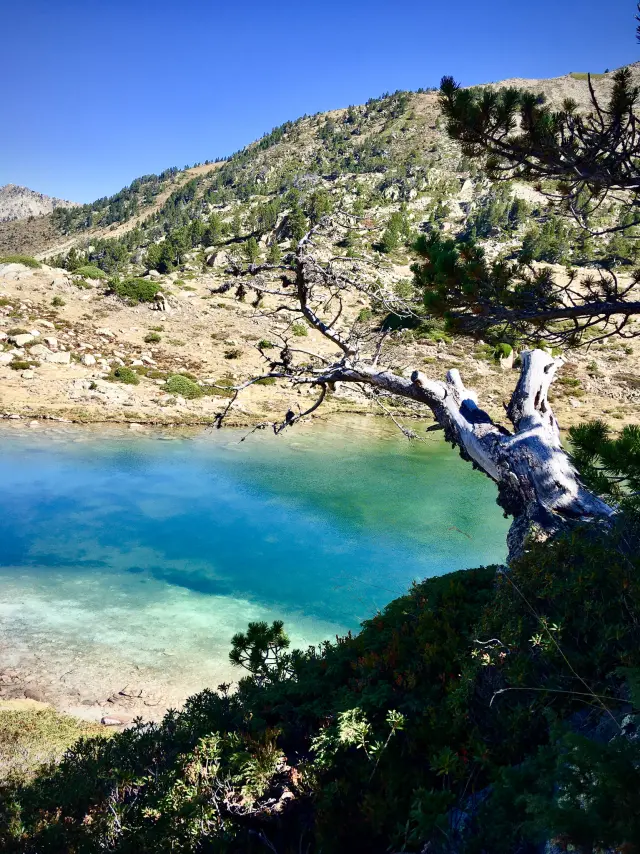
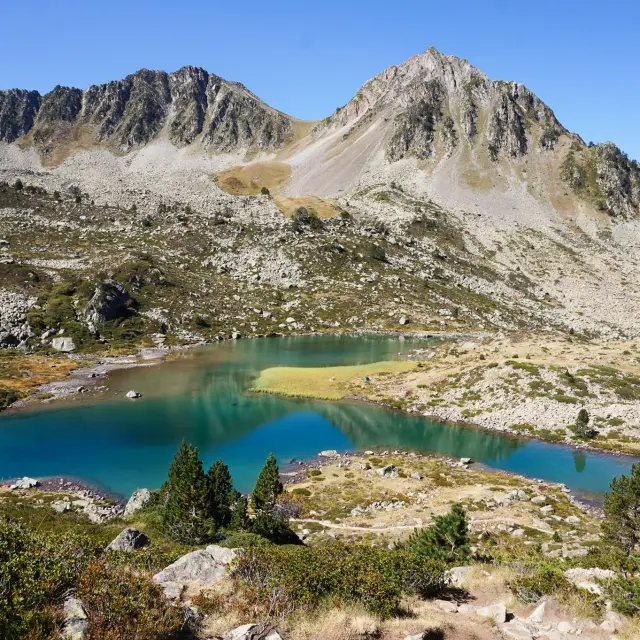
This nature reserve, managed by the National Park, is a haven of beauty, home to numerous lakes (70 in total!) and sumptuous panoramas in shades of azure and turquoise.

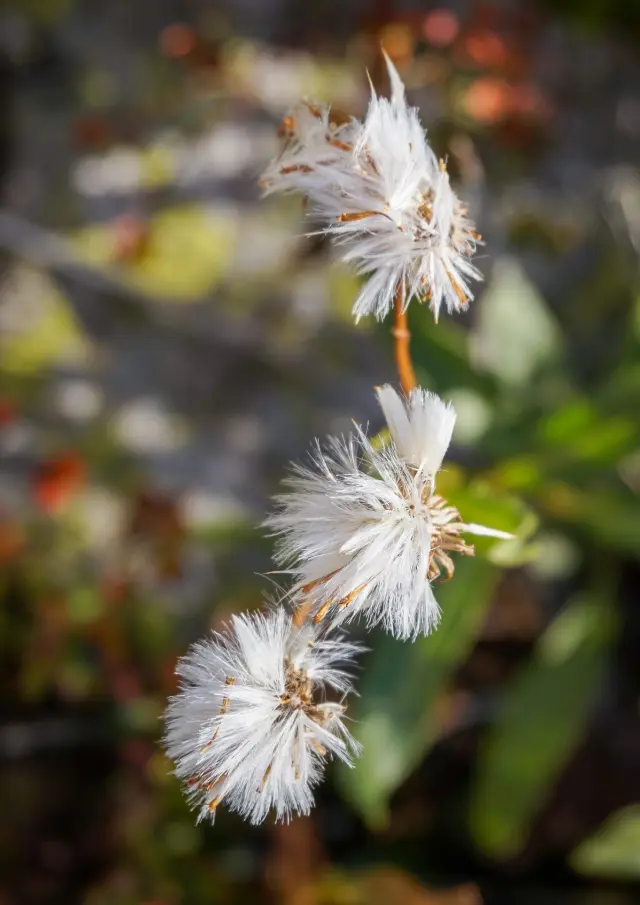
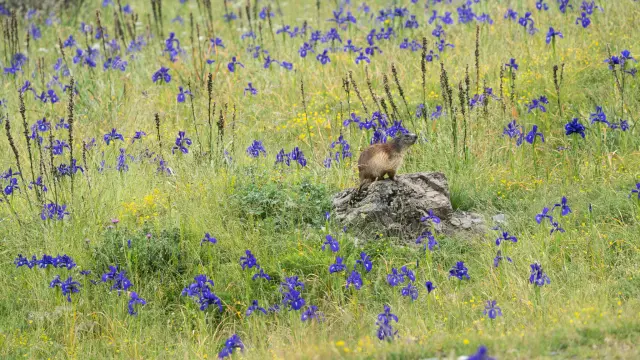
You may also spot chamois, partridges and marmots here… The nature reserve’s flora is also exceptionally rich: 1,250 vascular plants, including around twenty species that are very rare in the Pyrenees, particularly relict species bearing witness to past ice ages.

Please note: it is now forbidden to swim or take part in any water-based or nautical activities in the reserve’s lakes and watercourses. 
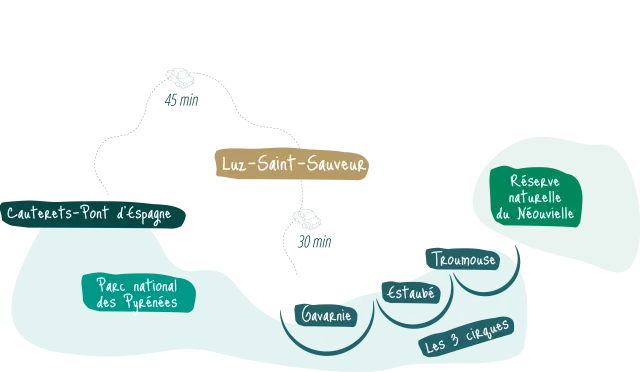
Shows the location of the Néouvielle Nature Reserve 

©

Neouvielle 2 Pnp card

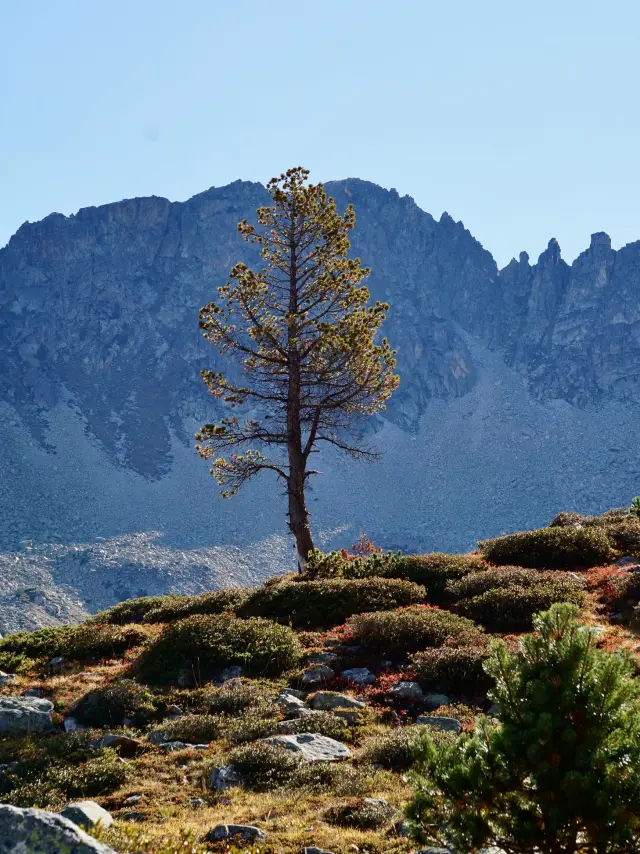
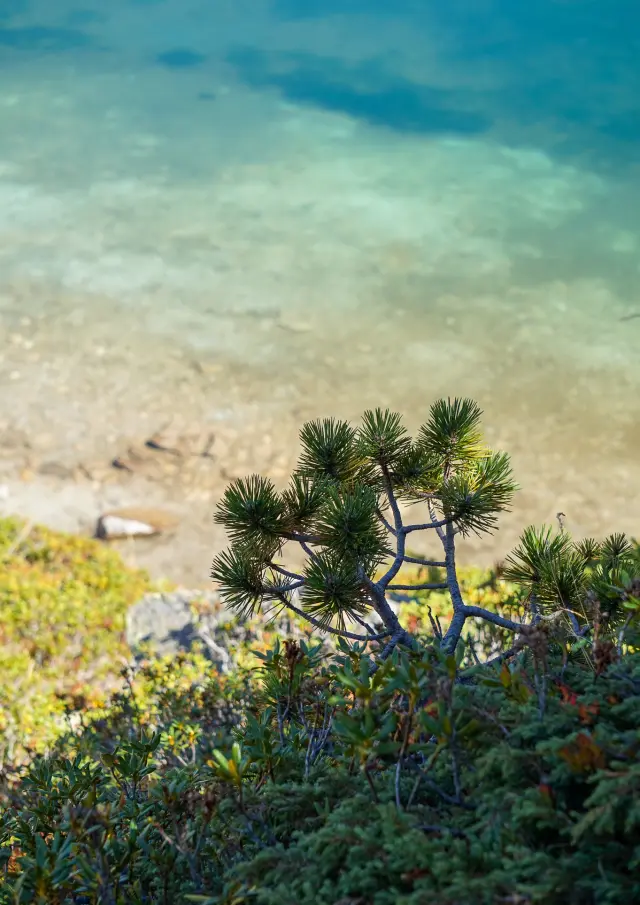
Focus on the hook pine

In the high mountains, the harsh climate prevents trees from growing: there are only grasslands and stunted shrubs. But the hook pine manages to survive just below this zone. This survivor of the ice ages is so hardy that it can live for almost a thousand years.

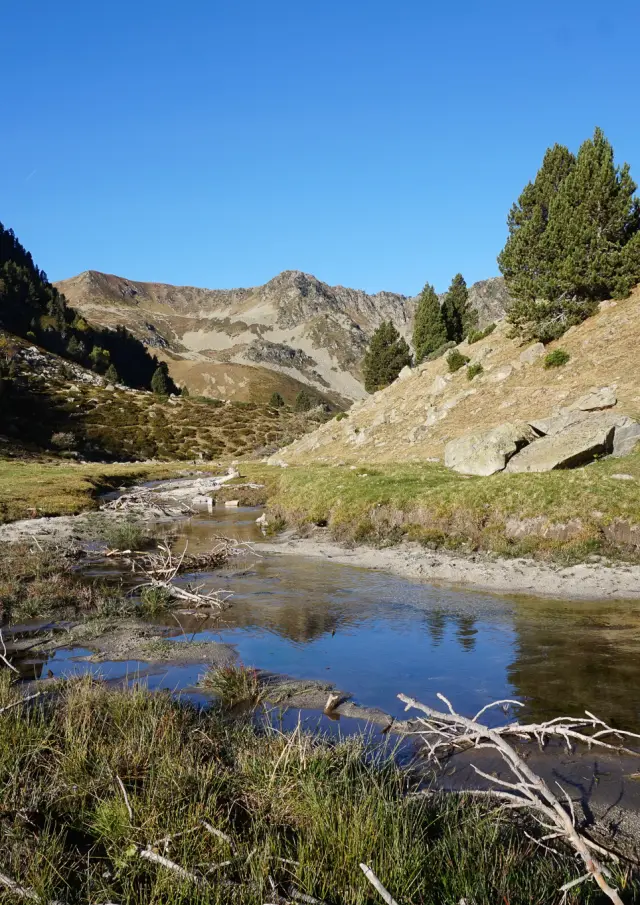
The Néouvielle region – siliceous, south-facing and sunny – is so favourable to it that it can grow in clusters up to 2,700 metres, providing the only shade in the area. If some of them sometimes look rather unwell, it is because their wood decomposes very slowly and the dying tree can remain standing for a long time.

As for the ‘hooks’ that give it its name, these are small projections found on the scales of its cones.

Go for a hike on the outskirts of Néouvielle 

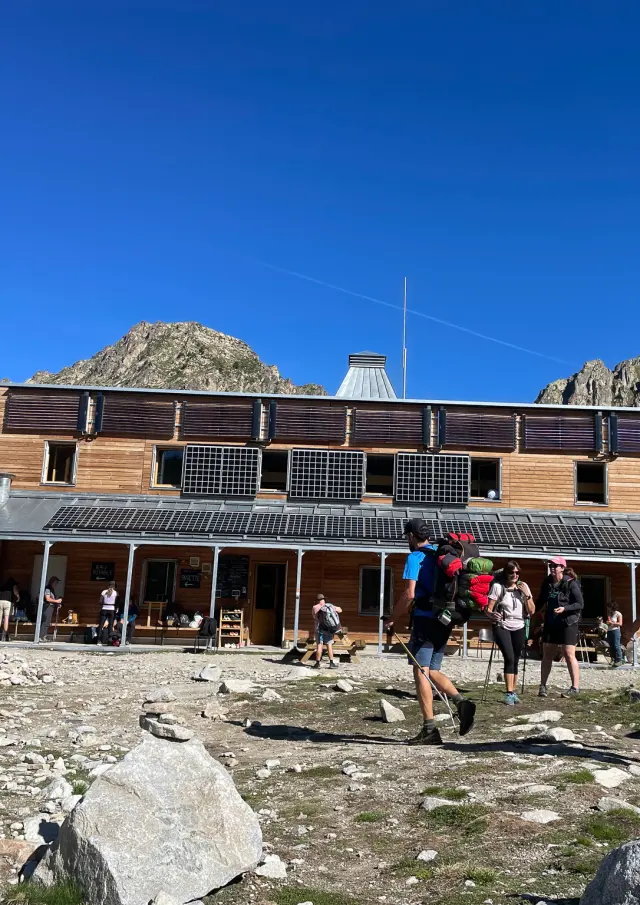
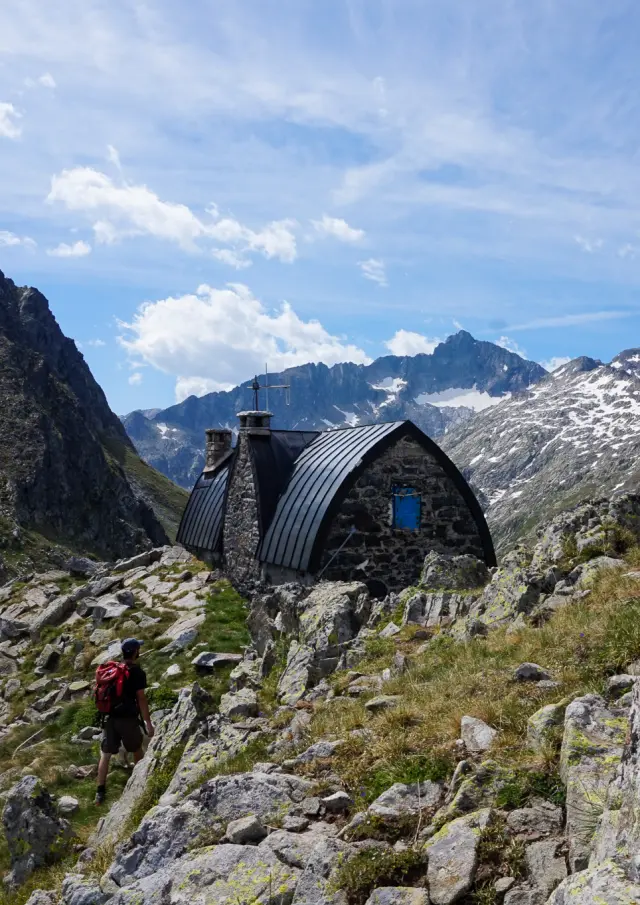
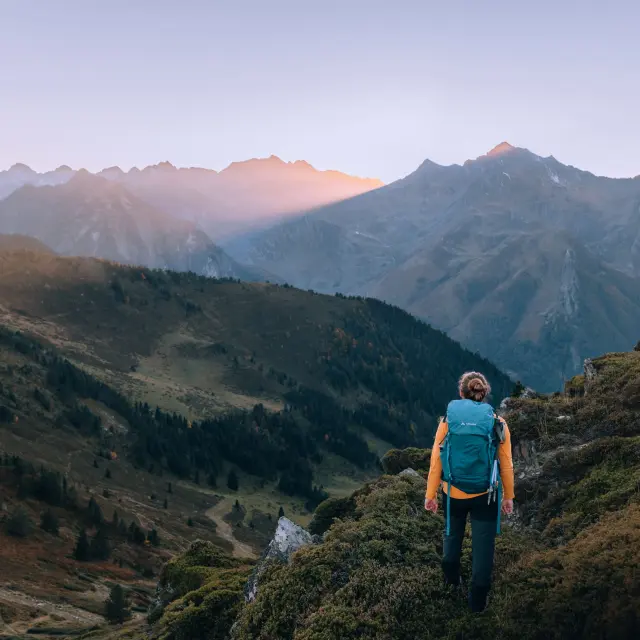
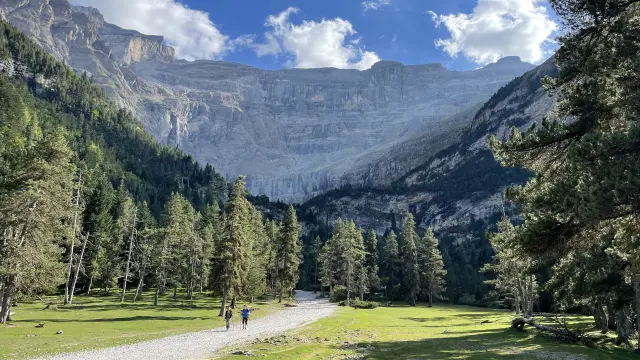
Starting from Tournaboup or the Lienz Forest in Barèges, there are several walking routes leading to the entrance to the Néouvielle Nature Reserve. The Aygues Cluses valley and the lakes of Ets Coubous and La Glère are already part of the granite massif and offer a lovely glimpse of what can be admired in the reserve after a few more hours’ walk.

> Dogs on a lead are therefore permitted here.
> Please take care not to approach the herds grazing in the summer pastures there.

OUR PRACTICAL SUGGESTIONS

It is recommended that you use the services of a mountain professional (guide or leader) when hiking this summer route (to be undertaken when there is no snow). The information provided on www.luz-tourisme.com and the signposting are for guidance only and do not in any way engage the liability of the French Hiking Federation or the Luz-Saint-Sauveur Tourist Office. The maps are for guidance only and cannot be regarded as official routes. Despite the care taken in producing this website, the content herein does not constitute a contractual document, and the Luz-Saint-Sauveur Tourist Office (SIRET No. 31896425100017) accepts no liability for any changes or errors, and cannot be held liable in the event of any accident or damage suffered.

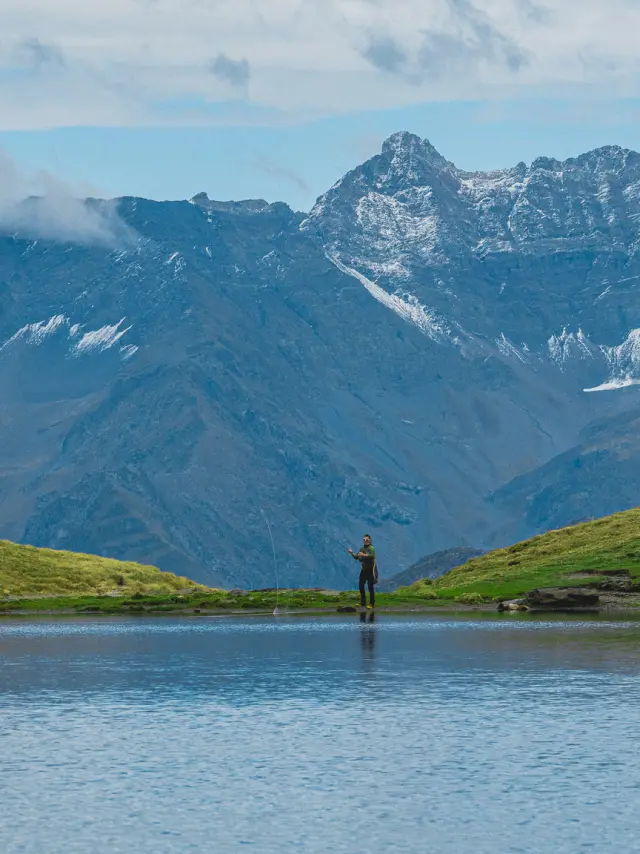
Fishing in the mountains Your turn!

Whether you prefer fly fishing or spin fishing, you’re free to choose how you’d like to track down the famous Pyrenean brown trout across the 42 mountain lakes and 300 km of rivers, with the help of a fishing guide.

Fishing permits and a list of professional guides are available from the Tourist Office (artificial fly fishing is permitted only between the Pont Napoléon and the Pont de Saint-Sauveur).

Go for a walk on the shores of Lake Lourdes!

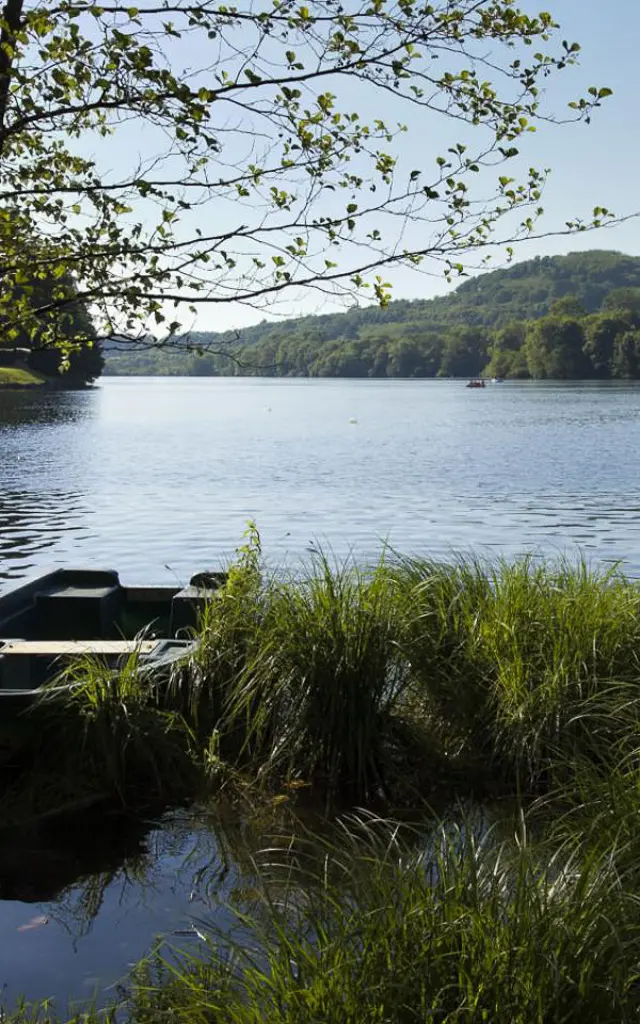
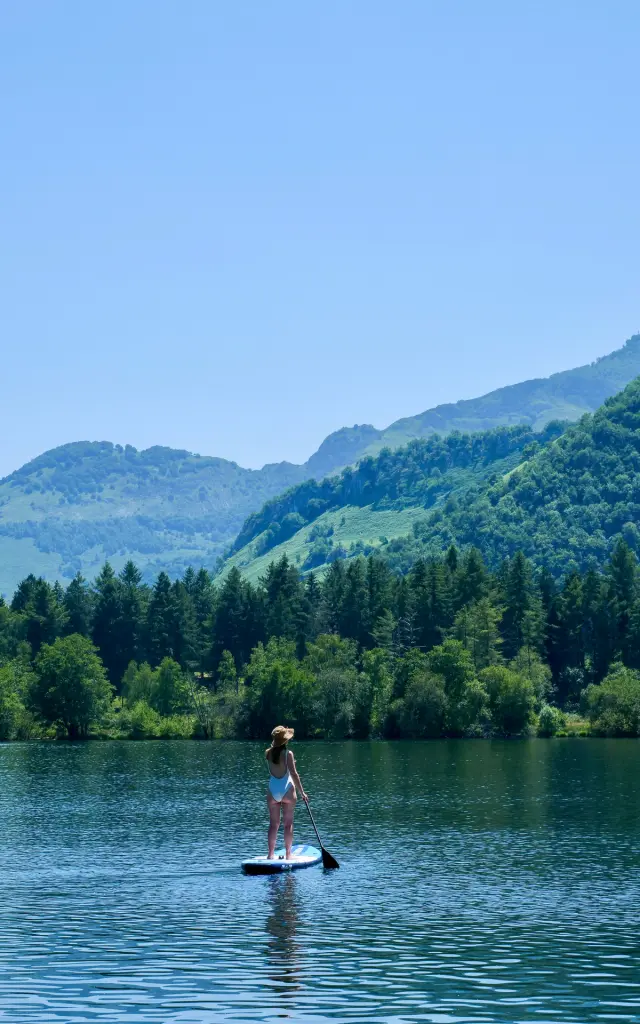
Situated in the immediate vicinity of the town of Lourdes, Lake Lourdes offers a true natural retreat between the plains and the mountains. Accessible to all, it invites visitors to enjoy a peaceful stroll along its shores, amidst forests, wetlands and meadows.

Unique for its glacial origin at a low altitude (424 m), the lake boasts remarkable ecological richness. Its peat bog and associated habitats are home to a relict community of rare species, reminders of colder eras. Follow the illustrated information boards to gain a better understanding of the site’s history, its natural evolution and the diversity of its flora and fauna.