221125 Tataki Trout Oceane Samar Luztourisme 2
©

221125 Tataki Trout Oceane Samar Luztourisme 2

|

Océane Samar

High altitudes really work up an appetite! Mountain spirit

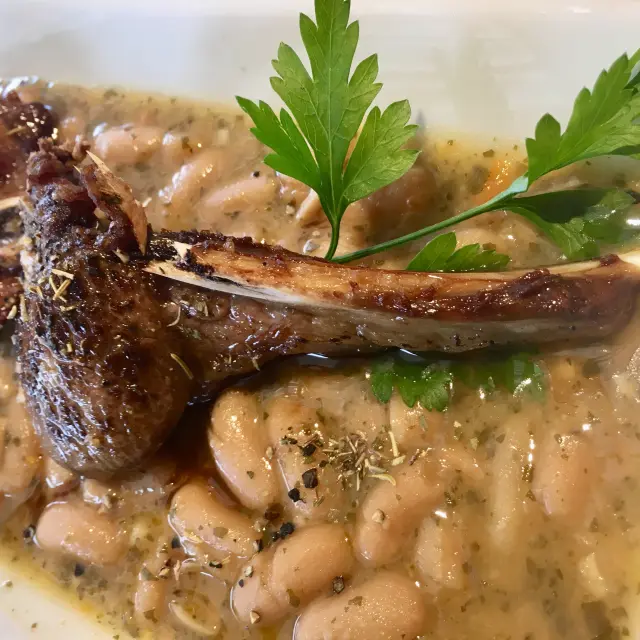
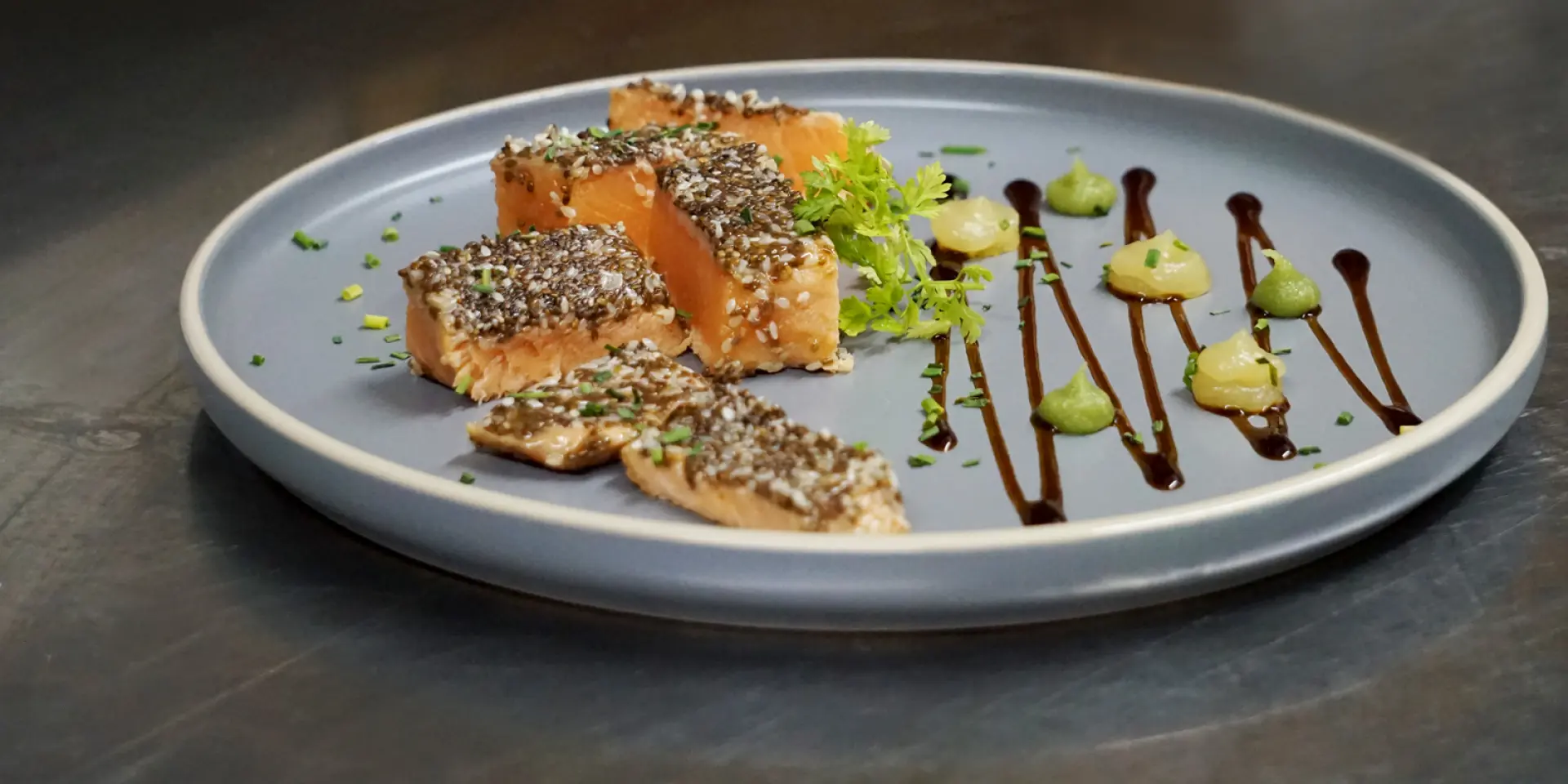
Get ready for a culinary journey to the heart of the Pays Toy, where every dish reflects the authenticity and expertise of the mountains. Discover garbure, a hearty and iconic soup; AOP lamb served with Tarbais beans; Pyrenean trout; and cheeses from the neighbouring valleys.

For something sweet, treat yourself to the spit-roasted cake baked over a wood fire and the blueberry tart. Simple, heartfelt cuisine that reveals the very soul of the Pyrenees.

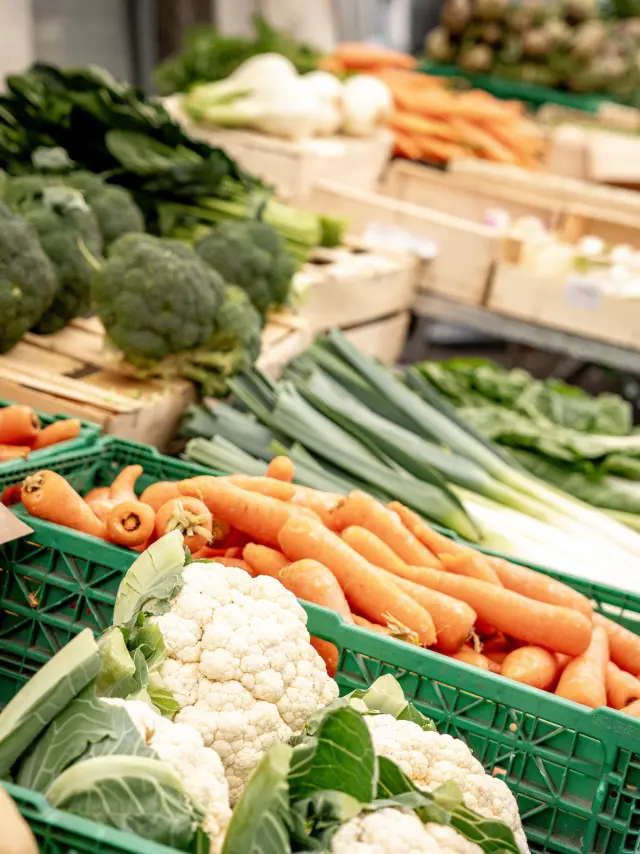
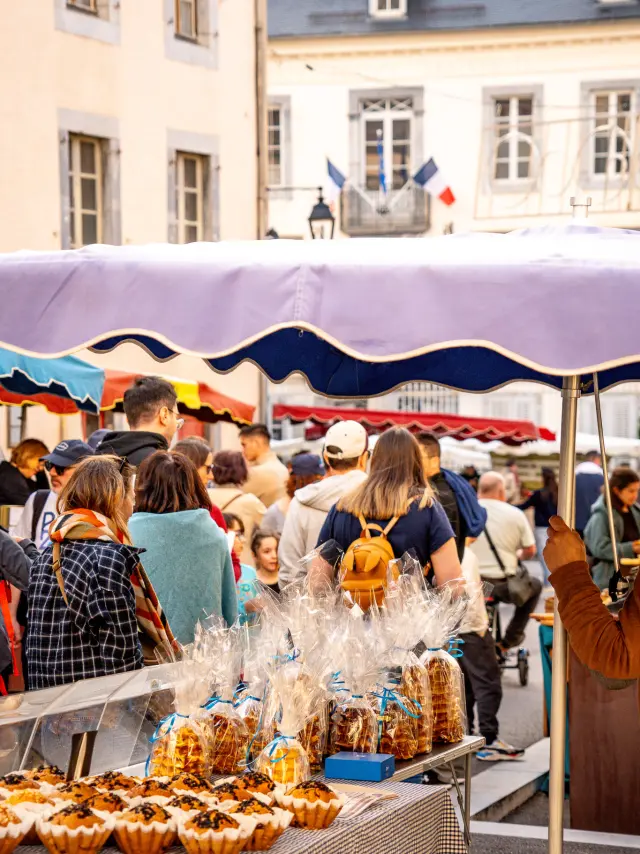
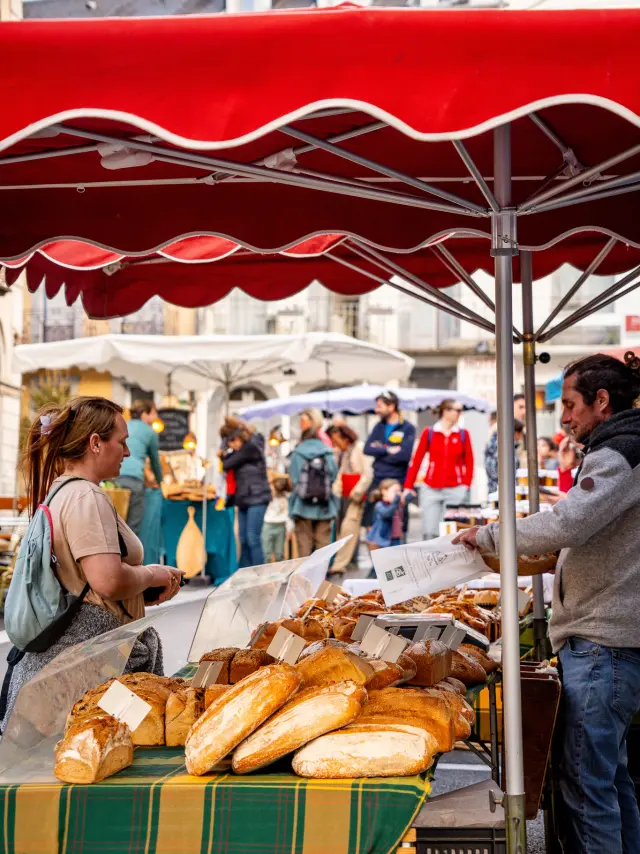
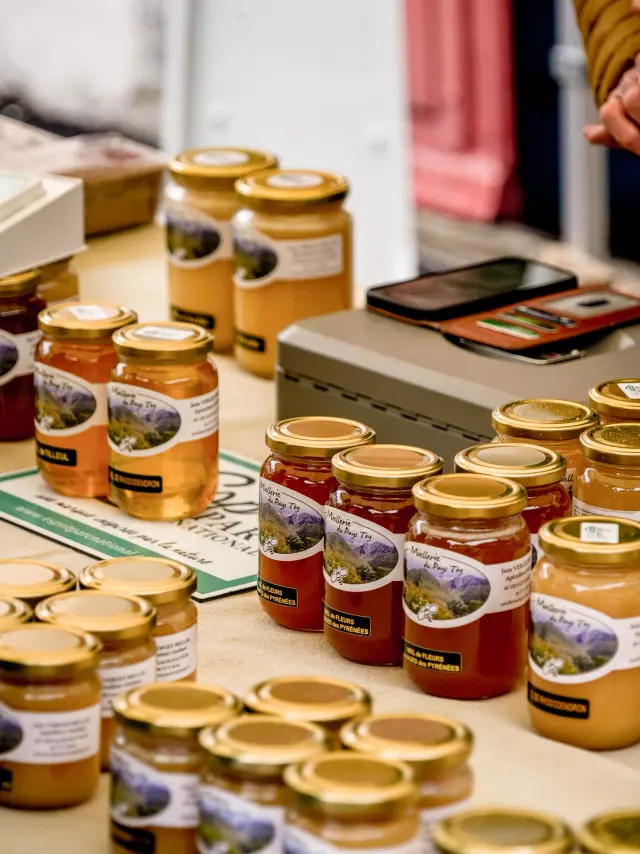
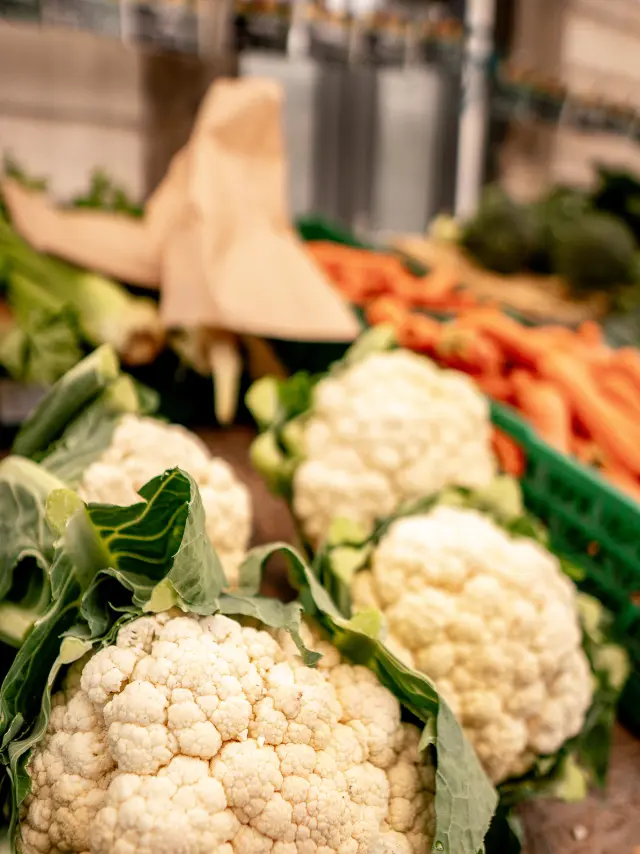
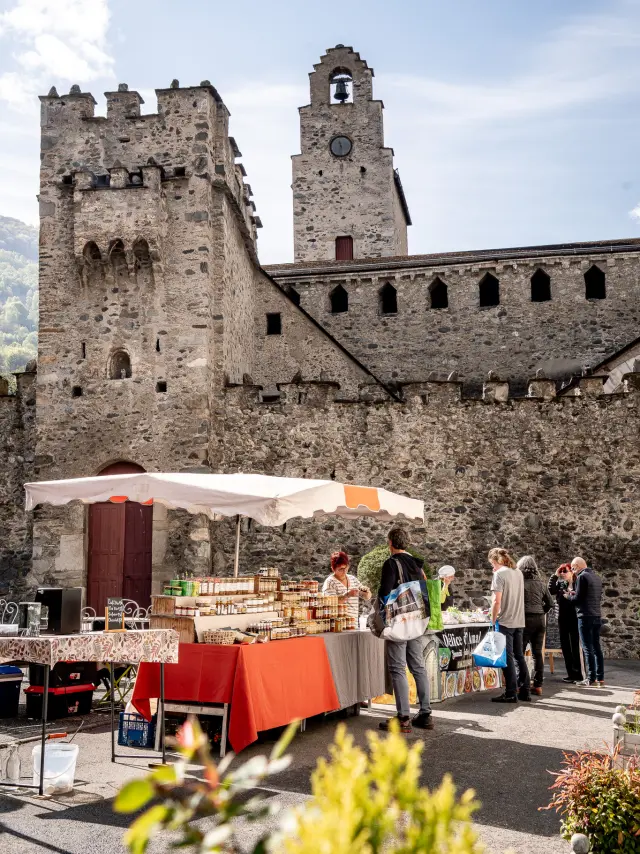
Local products Go shopping at the market!

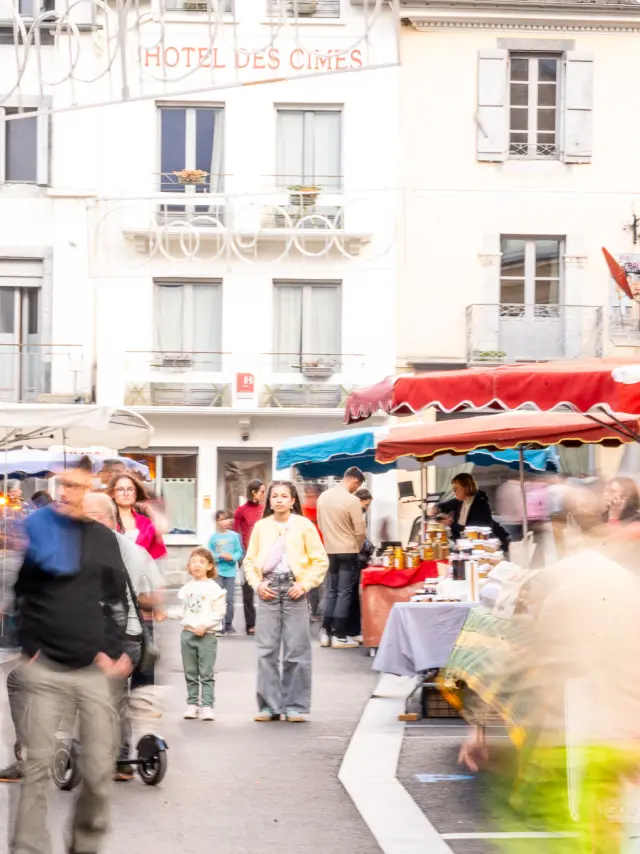
Every Monday morning throughout the year, discover the market in Luz-Saint-Sauveur and its typical south-western atmosphere.

To stock up on 100% local delicacies and discover trades from both past and present, a farmers’ market takes place on Friday evenings in summer from 4 pm to 10 pm: Place de la Comporte | Place du Marché | Rue d’Ossun.

All the markets in the valley: 

  • Monday: Luz-Saint-Sauveur in the morning | Arras-en-Lavedan from 4.30 pm to 7.30 pm
  • Tuesday: Argelès-Gazost in the morning
  • Wednesday: Barèges in the morning (June to September) | Arrens-Marsous from 4 pm to 8 pm (July to mid-September)
  • Thursday: Gèdre from 3.00 pm to 8.00 pm (mid-July to the end of August)
  • Friday: Luz-Saint-Sauveur from 4.00 pm to 10.00 pm (July–August) | Cauterets in the morning (May to October)
The sheep The star of our meals!

Lamb is a flavourful meat that lends itself to a wide variety of recipes. Its flesh is finely marbled, its fat is pure white and not at all excessive, and its flavours combine delicacy with a melt-in-the-mouth texture. Some people detect hints of liquorice and wild thyme in its flavour.

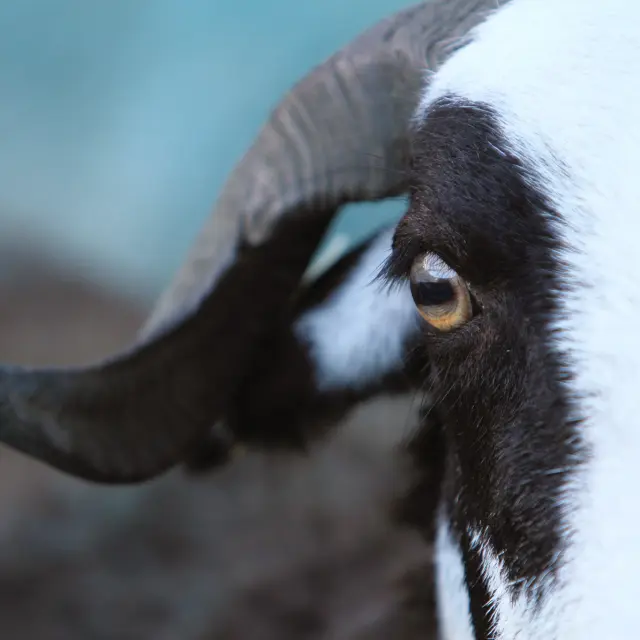
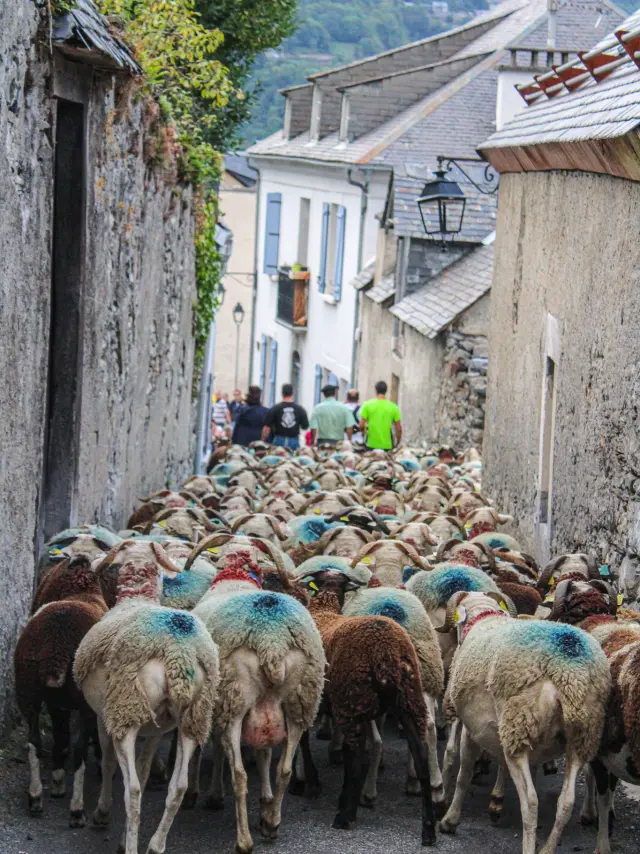
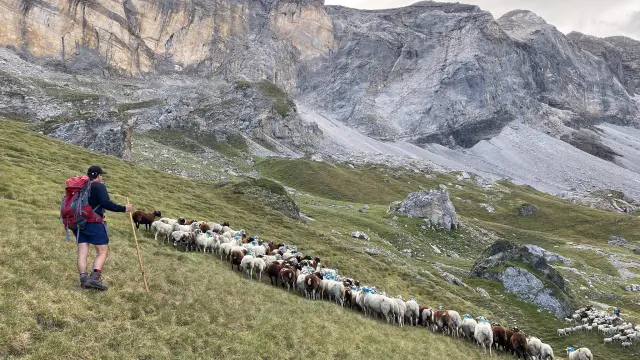
The lamb benefits from a Protected Designation of Origin: the Barèges-Gavarnie PDO. Comprising exclusively the hardy Barégeoise breed, the flocks graze freely across vast open spaces for much of the year and feed mainly in winter on hay and second-cut hay dried and harvested in the valley.

200708 Mouton Coram Raphael Kann 2 1
©

200708 Mouton Coram Raphael Kann 2 1

Did you know that?

A ‘doublon’ is a castrated male aged at least 18 months who has spent at least two summers in the mountain pastures – hence the name!

Try out the recipe  Navarin de mouton PDO

Serves 4; 30 mins’ preparation, 1 hour’s cooking time

900g boneless shoulder and neck of lamb
8 carrots
4 potatoes
2 onions
10 pearl onions
4 cloves of garlic
50g tomato purée
Olive oil
15cl white wine
2 litres of water
100g butter
30g flour
40g sugar
1 bouquet garni
2 sprigs of parsley
Salt and pepper

1Prepare the vegetables
  • On a chopping board, peel and roughly chop the carrots and potatoes, keeping them separate. Chop the garlic cloves. Finely slice the 2 onions.

    In a saucepan, parboil the potatoes in water until they are just tender. In a frying pan, caramelise the pearl onions with sugar, butter and a little water until the liquid has evaporated.

2The meat is simmering
  • In a very hot, oiled casserole dish, brown the meat. Stir and start seasoning. Add the garlic, carrots and onions, then the flour. Add the tomato purée. Pour in the white wine and water. Bring to the boil and leave to simmer for 45 minutes.

3Time to eat!
  • Before serving, add the pearl onions and the bouquet garni to the saucepan. Season with salt and pepper. Cook for 10 minutes, covered. Add the pre-cooked potatoes. Continue cooking for a further 5 minutes, covered.

    Garnish with a sprig of parsley!

The Chop Fair  known as ‘La Saint-Michel’

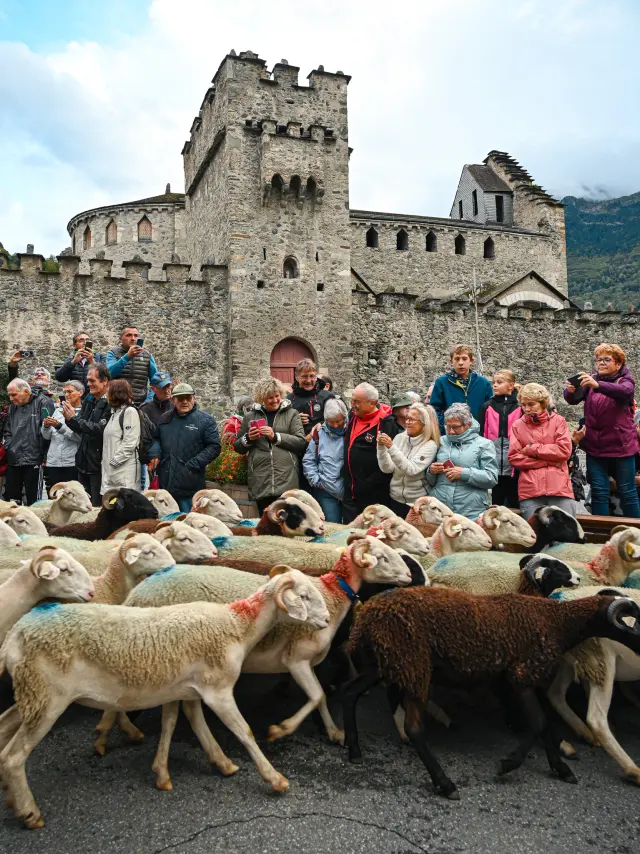
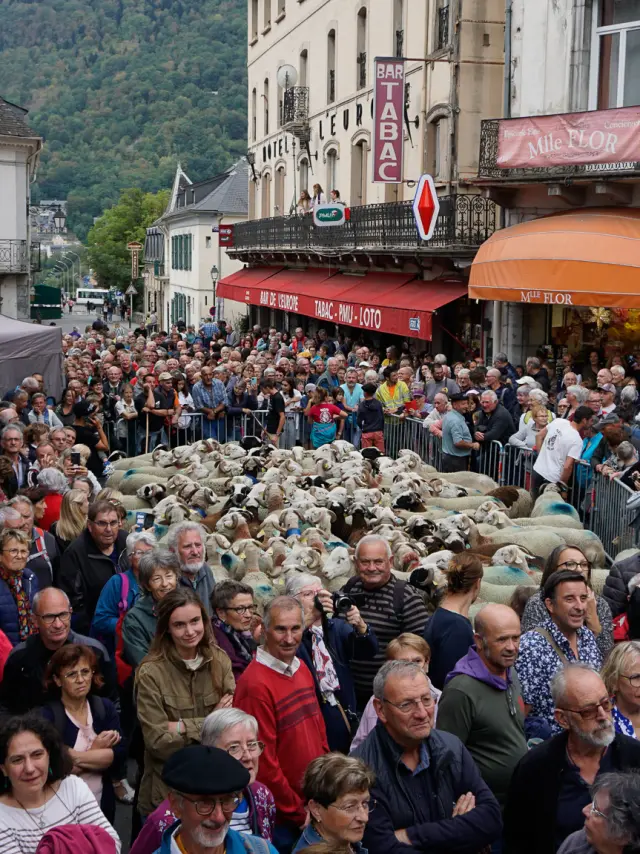
This unmissable festival, which always takes place on the last Friday, Saturday and Sunday of September in Luz, pays tribute to a long-standing tradition of celebrating the sale of livestock in the village when the shepherds brought their flocks down from the mountain pastures.

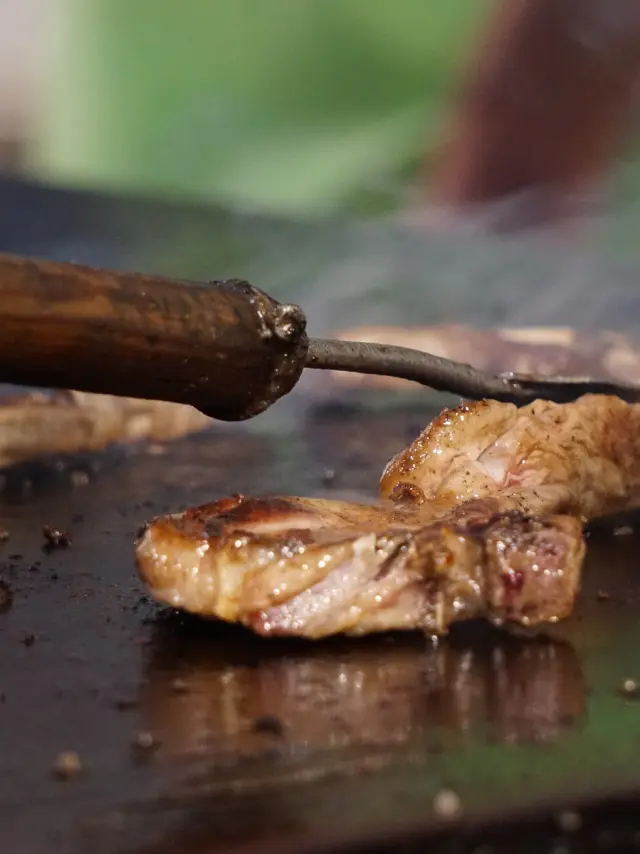
Today, the ‘côtelettes’ fair – also known as Saint-Michel – keeps these customs alive, from the beret-throwing competition to the delicious barbecued AOP Barèges-Gavarnie lamb chops, all under the famous marquee.

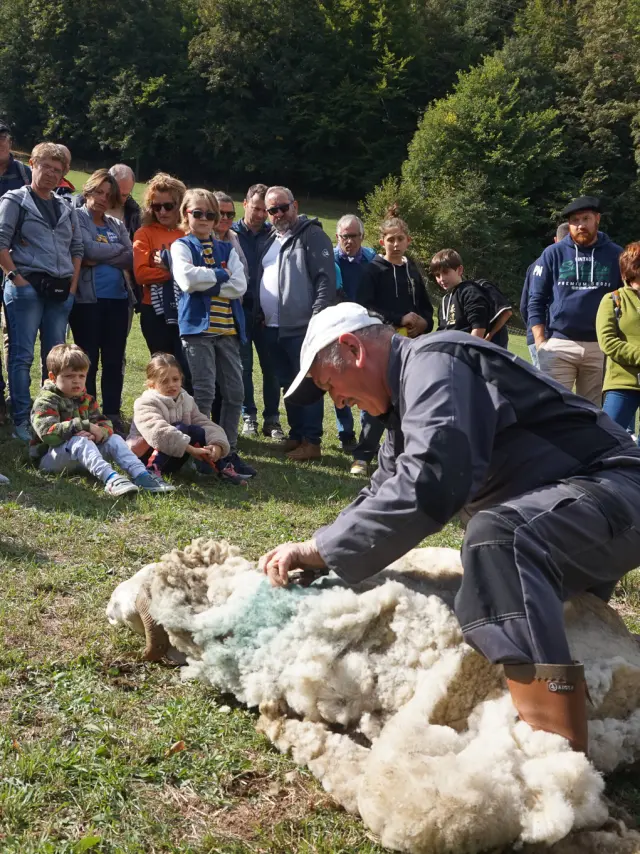
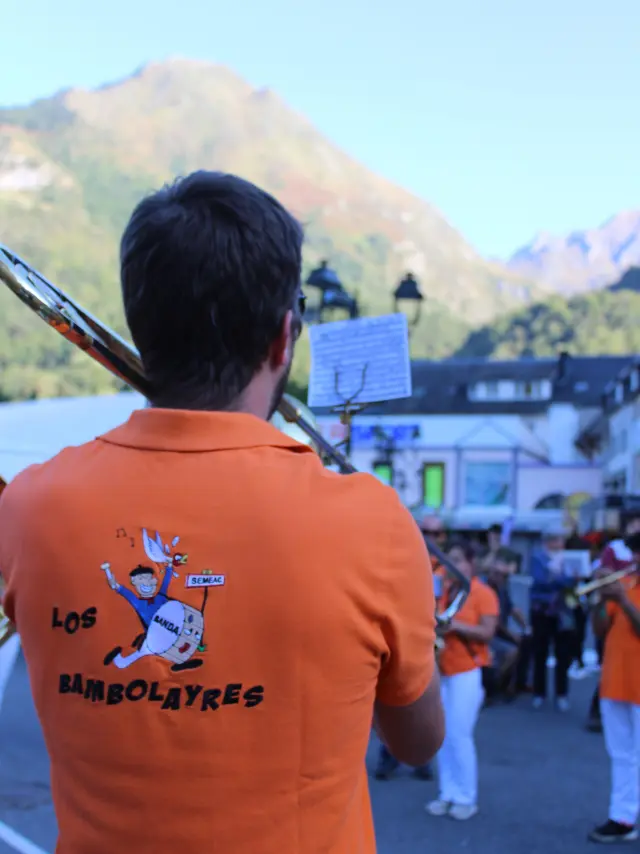
Brass bands, transhumance, donkey races, sheepdog trials and shearing demonstrations, sheep shows, a farmers’ market… you’re sure to be swept up in the excitement and warmth of the Pays Toy!

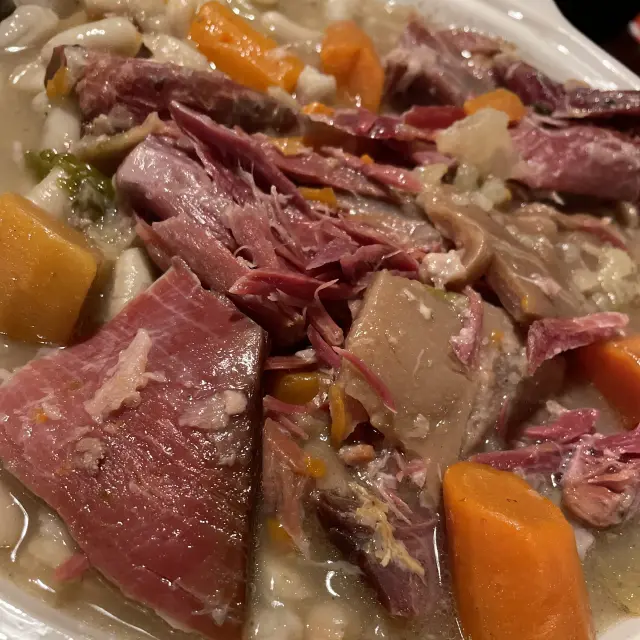
Garbure country soup

This hearty country soup combines seasonal vegetables, including cabbage, ham hock and Tarbais beans, and is simmered for hours to create a flavour that is both rustic and comforting.

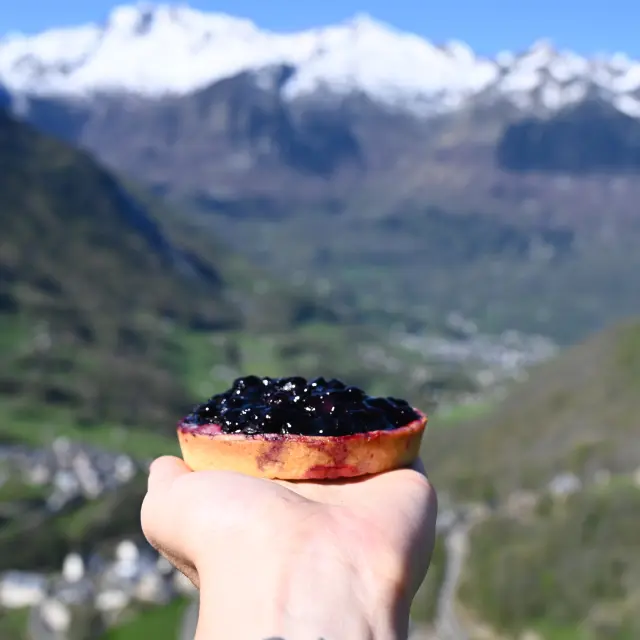
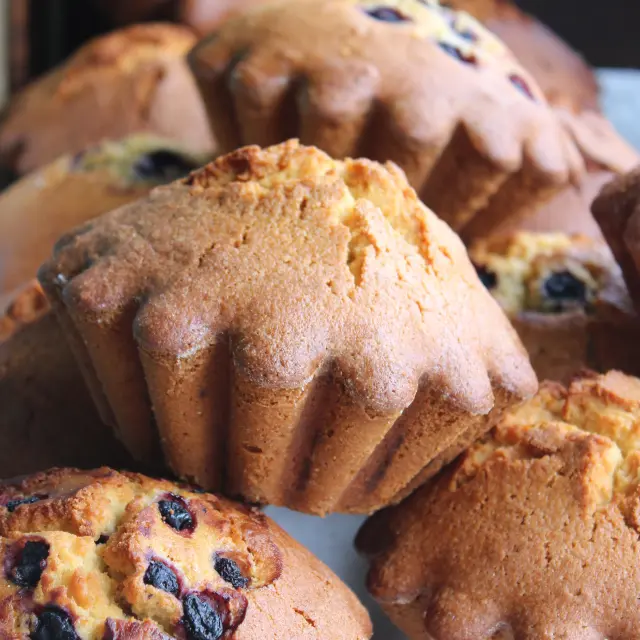
Blueberry tart a balance of sweetness and a hint of acidity

This pastry showcases these little wild berries picked in the mountains. It brings out the full richness of the local terroir and offers a fresh, indulgent note to round off a meal.

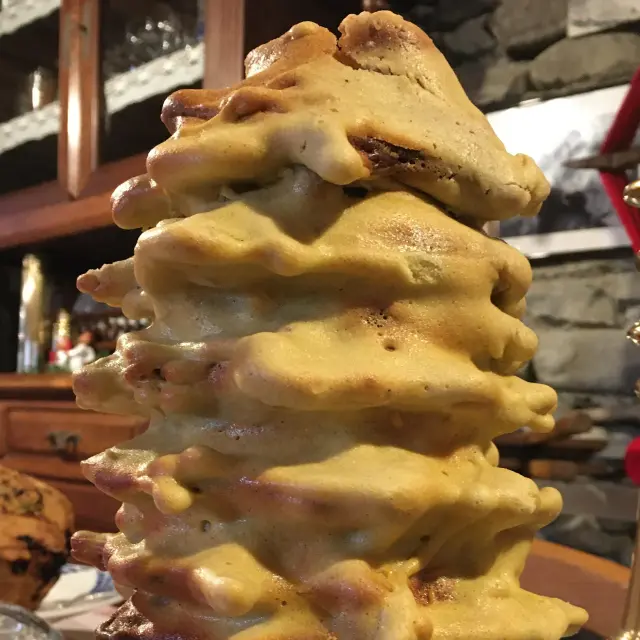
Cake on a spit a festive dessert

This cake is traditionally baked over an open fire and turned using a spit. It is conical in shape with branches, and resembles a Christmas tree.

Try out the recipe  blueberry tart

Ingredients:

200g flour
1 sachet of baking powder
120g butter
100g sugar
3 eggs
3 tbsp of rum
1 teaspoon of vanilla extract
125g blueberries
Icing sugar

1Prepare the dough
  • Start by separating the egg whites from the yolks. Set the whites aside for later. In a mixing bowl, whisk the yolks with the sugar, vanilla and rum until the mixture turns pale.

    Add the melted butter, then fold in the flour and baking powder. Mix well until you have a smooth, even batter.

2Blueberries take centre stage
  • Whisk the egg whites until stiff with a pinch of salt. Gently fold them into the mixture in several batches, so as not to lose their lightness.

    Add the blueberries to the mixture (you can keep a few aside for decoration). Mix gently to distribute them evenly.

3It’s cooking!
  • Grease your pie tin, pour in the pastry and bake at 165°C for about 55 minutes. Insert the blade of a knife to check it’s cooked through: it should come out clean. As soon as you take it out of the oven, turn the pie out of the tin so that it retains its soft texture.

    Enjoy your meal!

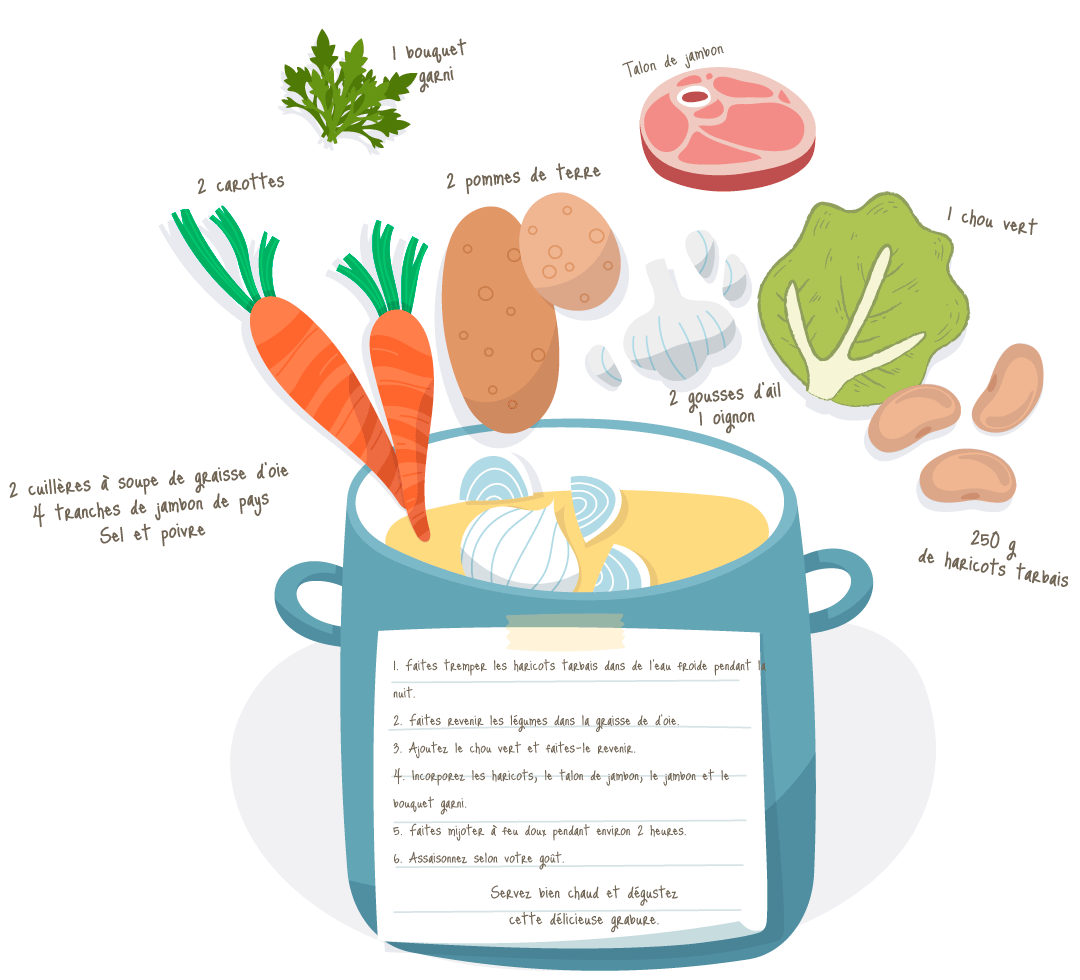
Try out the recipe  garbure

Garbure is a traditional soup from the Pyrenees – rich and nourishing – made with cabbage, vegetables and duck or pork confit. It has its roots in peasant traditions, where it was an everyday dish prepared using whatever ingredients were available depending on the season.

Illustration: Garbure Recipe
©

Illustration: Garbure Recipe