A will dating from 1504 mentions the sanctuary of Sent Saubador deu Banh, meaning ‘Saint Saviour of the Baths’, comprising an oratory dedicated to the Saviour and a bath built near the spring, covered by a vault partially hewn out of the rock. In 1572, a small, makeshift structure was erected over this spring on the initiative of the Bishop of Tarbes. The waters of Saint-Sauveur were officially recognised as a state-designated spring in 1730.
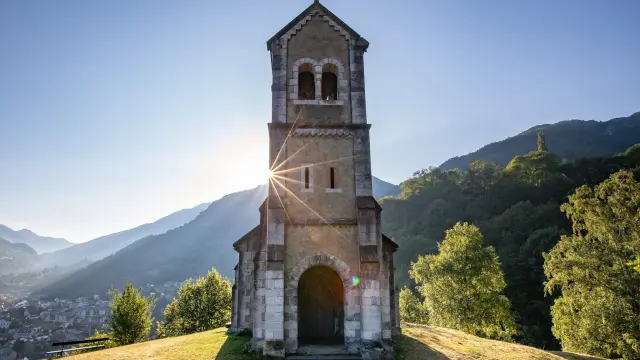
Saint-Sauveur experienced a new boom around 1750 when Abbé Bézégua, having been cured of digestive ailments by the spring, preached its virtues for years and built a guest house for spa visitors adjacent to the communal bathing area. The resort’s reputation at the end of the 18th century was also due to the effectiveness of the treatments for women’s ailments. At that time, the neighbourhood saw the construction of several hotels, new baths and a chapel. In 1794, a proposal was put forward to build a proper spa complex by combining the existing buildings with a few adjoining houses.
In the 19th century, as the thermal baths enjoyed their golden age, they underwent successive extensions and major improvements to meet the demands of a clientele comprising wealthy foreigners, dignitaries and royalty. The Duchesses of Berry and Angoulême came here on holiday for the romantic atmosphere of the place, the picturesque landscapes and the bucolic walks that promoted good health – symbols of the new fashionable pastimes associated with spa culture.
In 1859, Saint-Sauveur earned its reputation thanks to a visit by the imperial couple, Napoleon III and Eugénie de Montijo, who planned the construction of sumptuous buildings and endowed the neighbourhood with a priceless heritage.
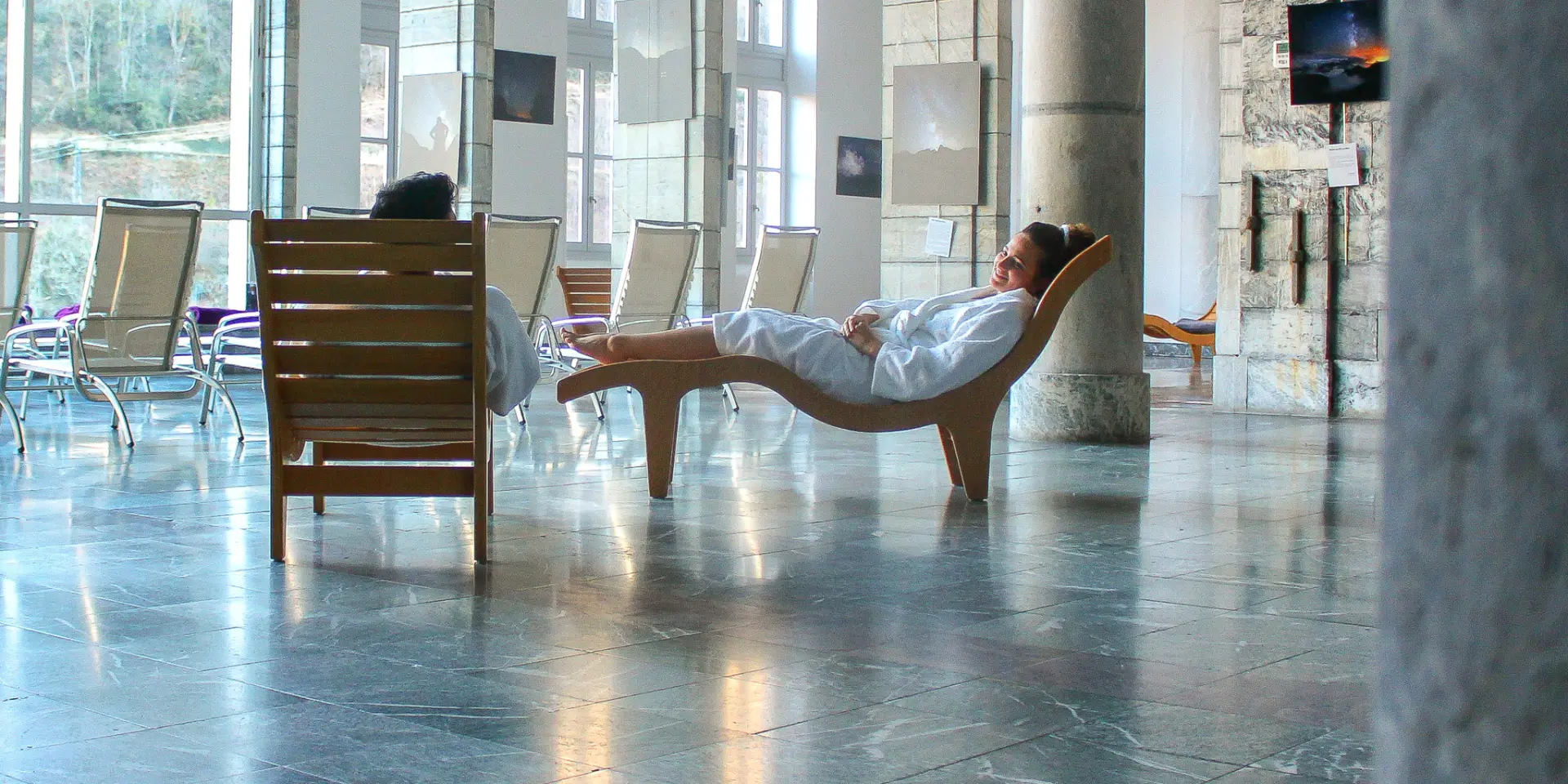
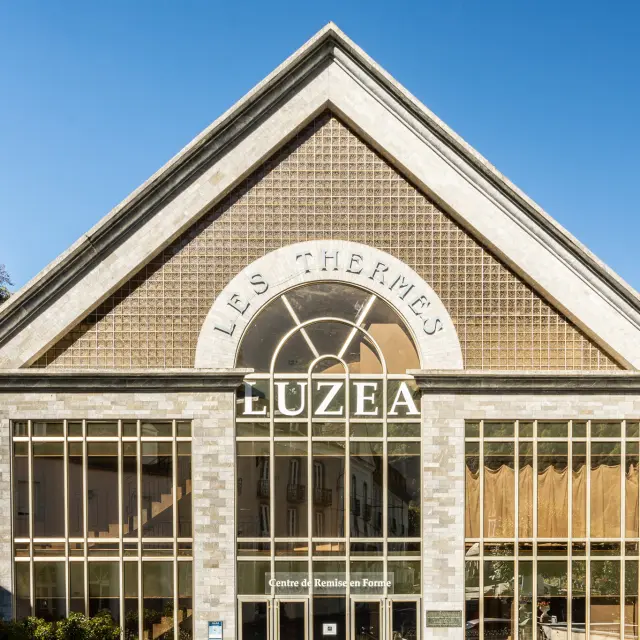
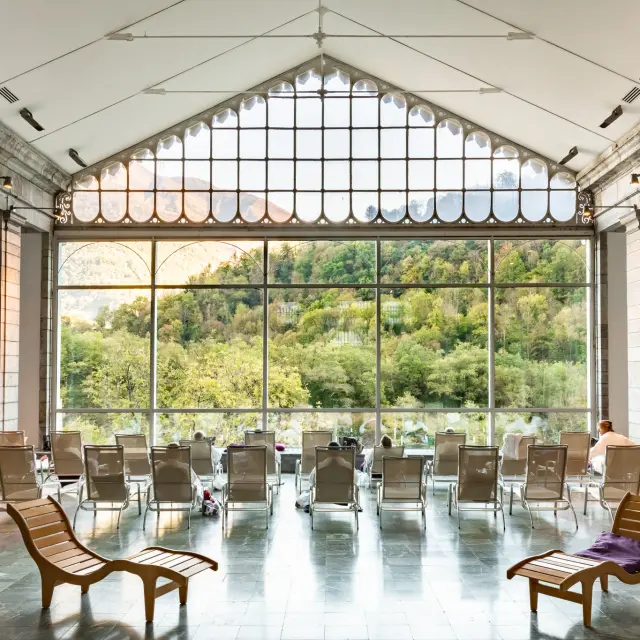
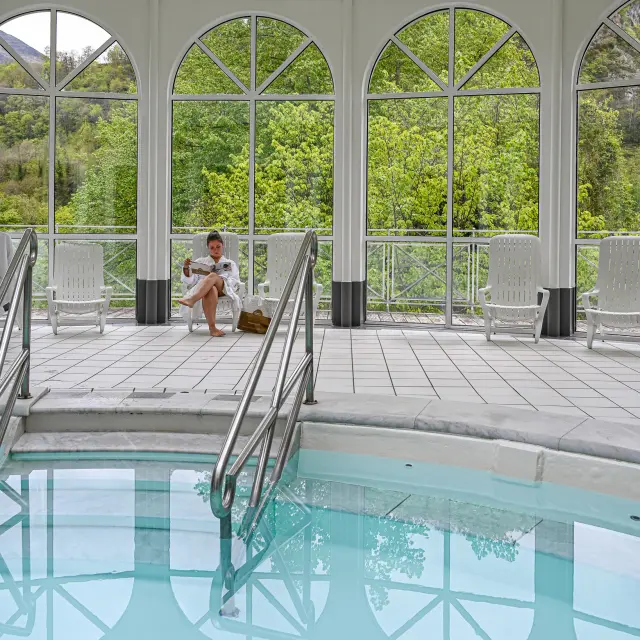
In 1996, an extension enabled the establishment of the department’s first balneotherapy centre. The treatment areas were equipped with state-of-the-art technology: a thalaxion machine for drainage, chromotherapy to stimulate venous activity…
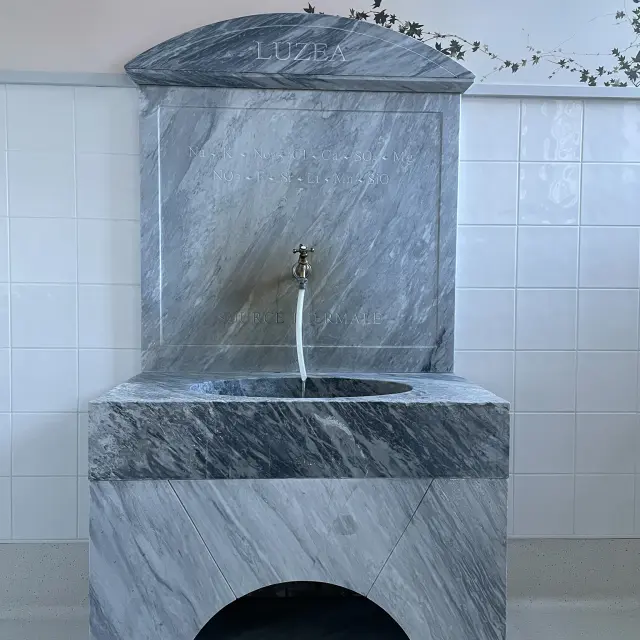
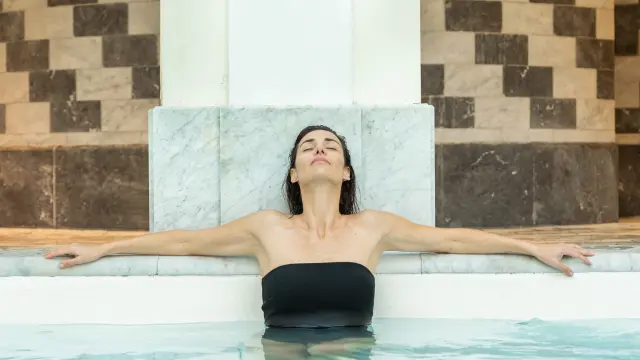
Today, the sulphur-rich thermal water of Luz-Saint-Sauveur resurfaces as a hot spring at 33°C. Thanks to its soothing, healing and regenerative properties, it offers a natural and effective alternative to drug-based and surgical treatments in phlebology, gynaecology, or for treating respiratory conditions.
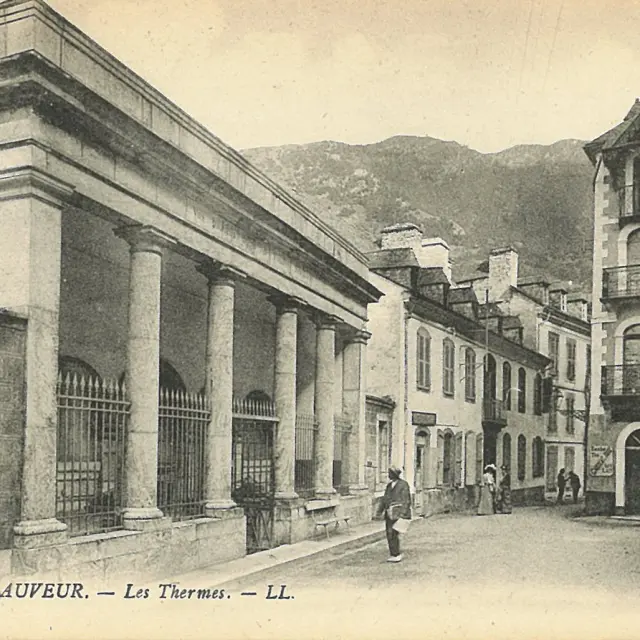
Portico entrance with columns (former main façade)
Engraved inscription: “Vos haurieris aquas de Fontibus Salvatoris: You shall drink the waters from the Fountain of the Saviour – or of Salvation.”
Spa hall (free entry from 3pm to 7pm except on Sundays) Replica of Eugénie’s bath, bathing cubicles and gallery.