©

190910 Napoleon Eugenie Pierre Meyer 21190910 8

|

MEYER Pierre

Shaped by the Napoleonic legacy Historic Village

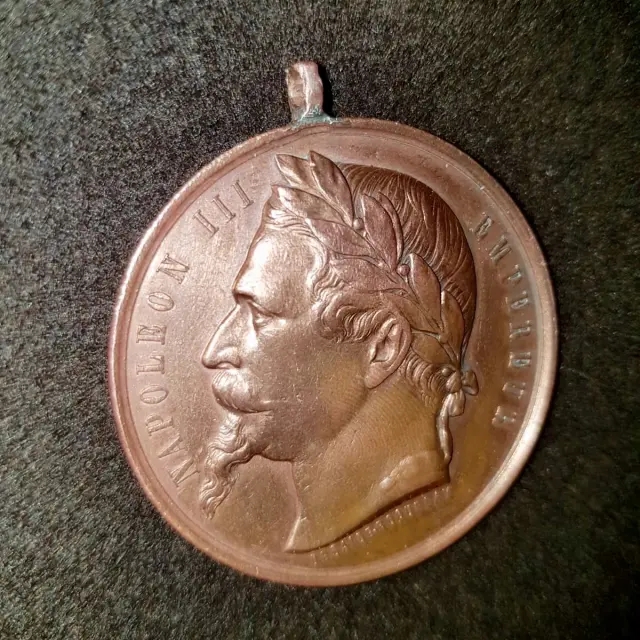
In 1859, Saint-Sauveur made its name thanks to a visit by the imperial couple, Napoleon III and Eugénie de Montijo, who planned the construction of sumptuous buildings and endowed the neighbourhood with a priceless heritage.

Napoleon & Eugénie The story behind their visit

In the summer of 1859, Saint-Sauveur was abuzz with preparations for the arrival of Napoleon III and Empress Eugénie. The imperial couple were coming to stay there for a spa treatment, on the advice of Minister Achille Fould.

At the age of 33, Eugénie had been in poor health since the birth of her first child three years earlier and hoped to regain her health and perhaps give the Emperor a second heir. The sovereigns’ visit required major refurbishments at the spa. The thermal baths were reorganised, notably with the creation of imperial cabins. Numerous craftsmen were mobilised to provide a level of comfort befitting their rank. The works were supervised by the engineer François Guilloutet, renowned for his reliability.
The question of accommodation was also crucial. The choice fell on the Brauhauban house, situated near the thermal baths. This residence was fully furnished with pieces from the Château de Pau. The neighbouring houses accommodated the imperial suite.

Contrary to some accounts, the 1859 stay lasted only 23 days. A second visit in 1863 was to be much briefer. This stay had a profound impact on Saint-Sauveur, attracting visitors and leading to numerous works and improvements.
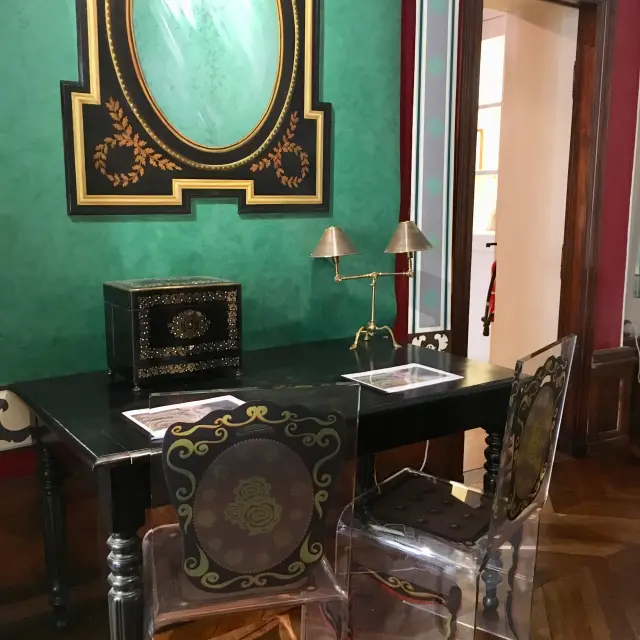
1 | Gradet-Poque House Napoleon III Exhibition Space

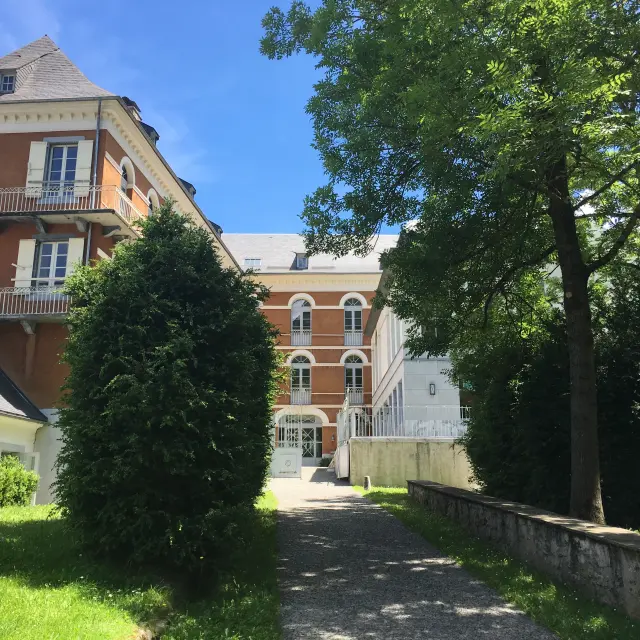
The town hall, which stands on the site of this beautiful, imposing 19th-century mansion, occupies a strategic position in the historic centre, on the market square, just a few metres from the fortified church. Originally part of the estate of Pierre Gradet and Suzanne Poque – whose family included two councillors from the commune of Luz – it was subsequently sold to the Order of Malta. Distinguished public figures and Pyrenean mountaineers have walked the floors of the building, whose drawing room is said to have been the venue for meetings held by Napoleon III, notably a cabinet meeting.

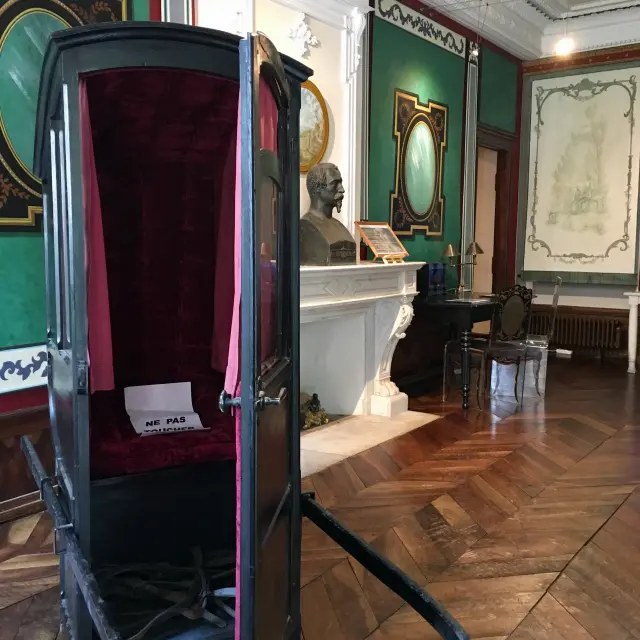
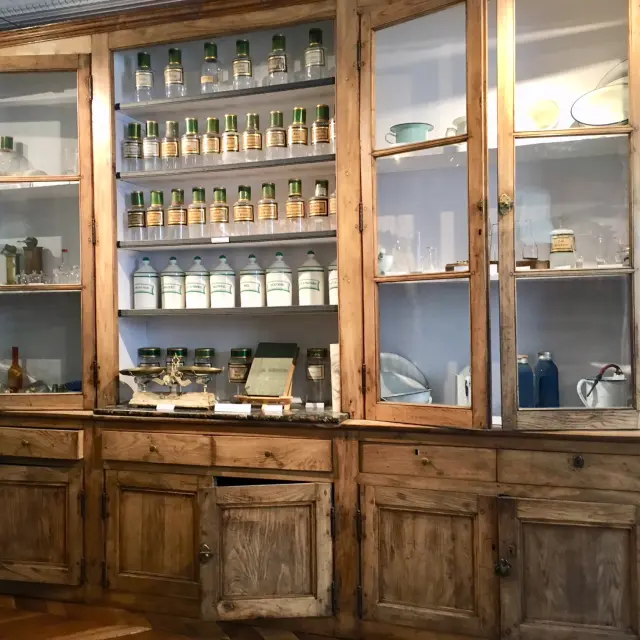
The museum space pays tribute to the holiday stays of the Emperor and Empress Eugénie de Montijo, who, through their directives to construct prestigious buildings during the Second Empire, transformed the spa district of Saint-Sauveur. Unprecedented artefacts have enriched the collection through discoveries and donations from local residents: a sedan chair used to carry female bathers to the spa treatments, a pharmacopoeia bearing witness to the imperial couple’s support for charitable organisations…

Free admission from Monday to Friday, 9.00 am to 12.00 pm and 2.00 pm to 5.00 pm.

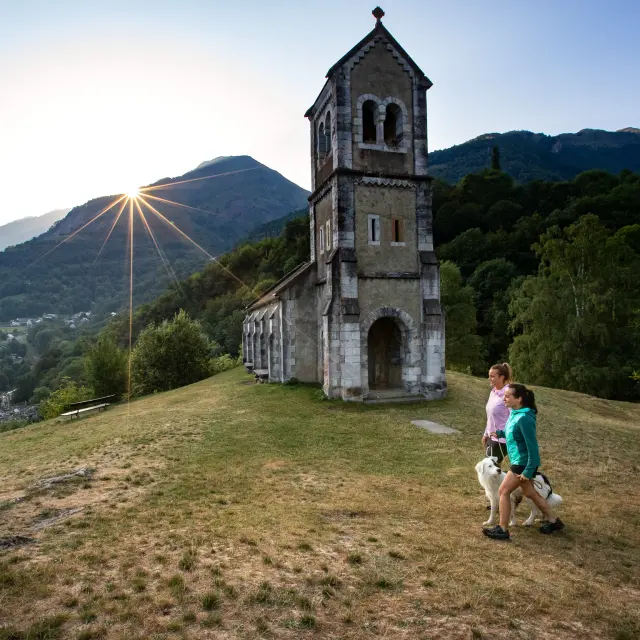
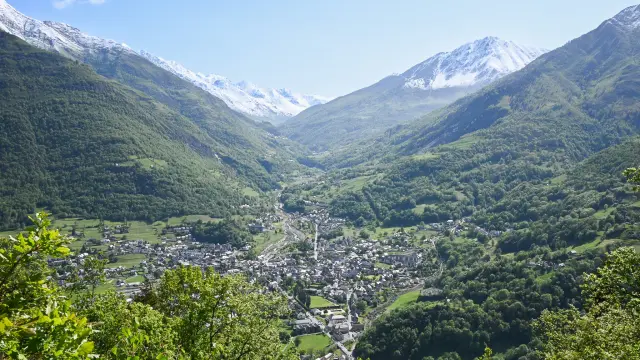
2 | Solférino Chapel Panoramic view

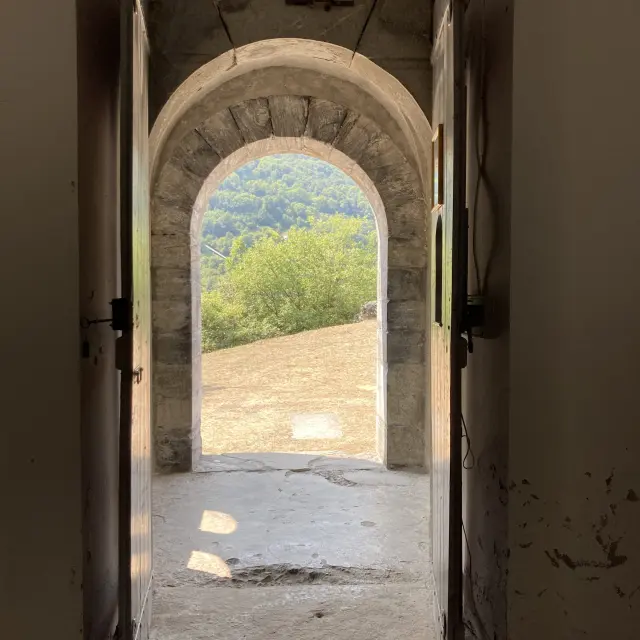
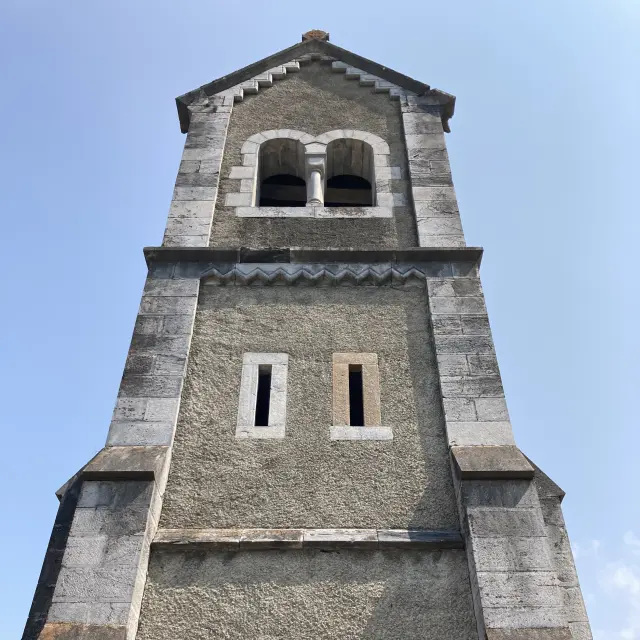
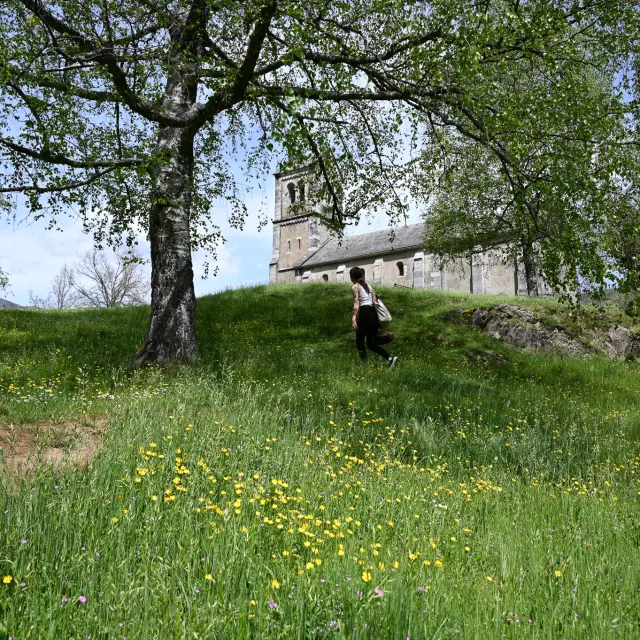
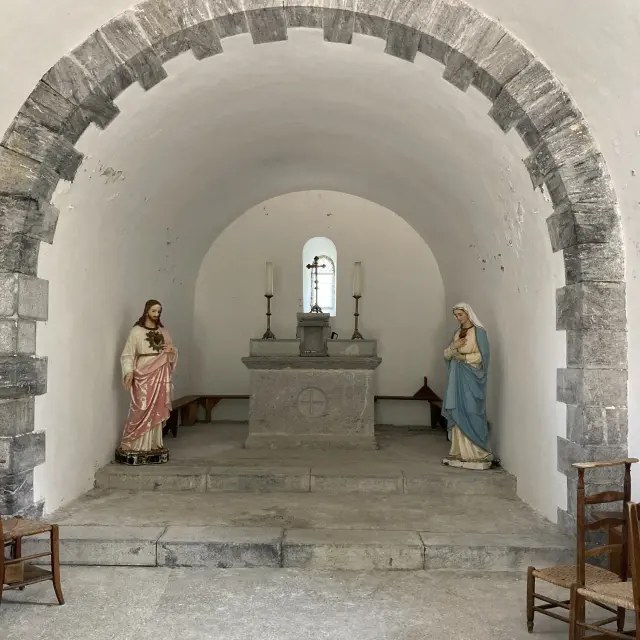
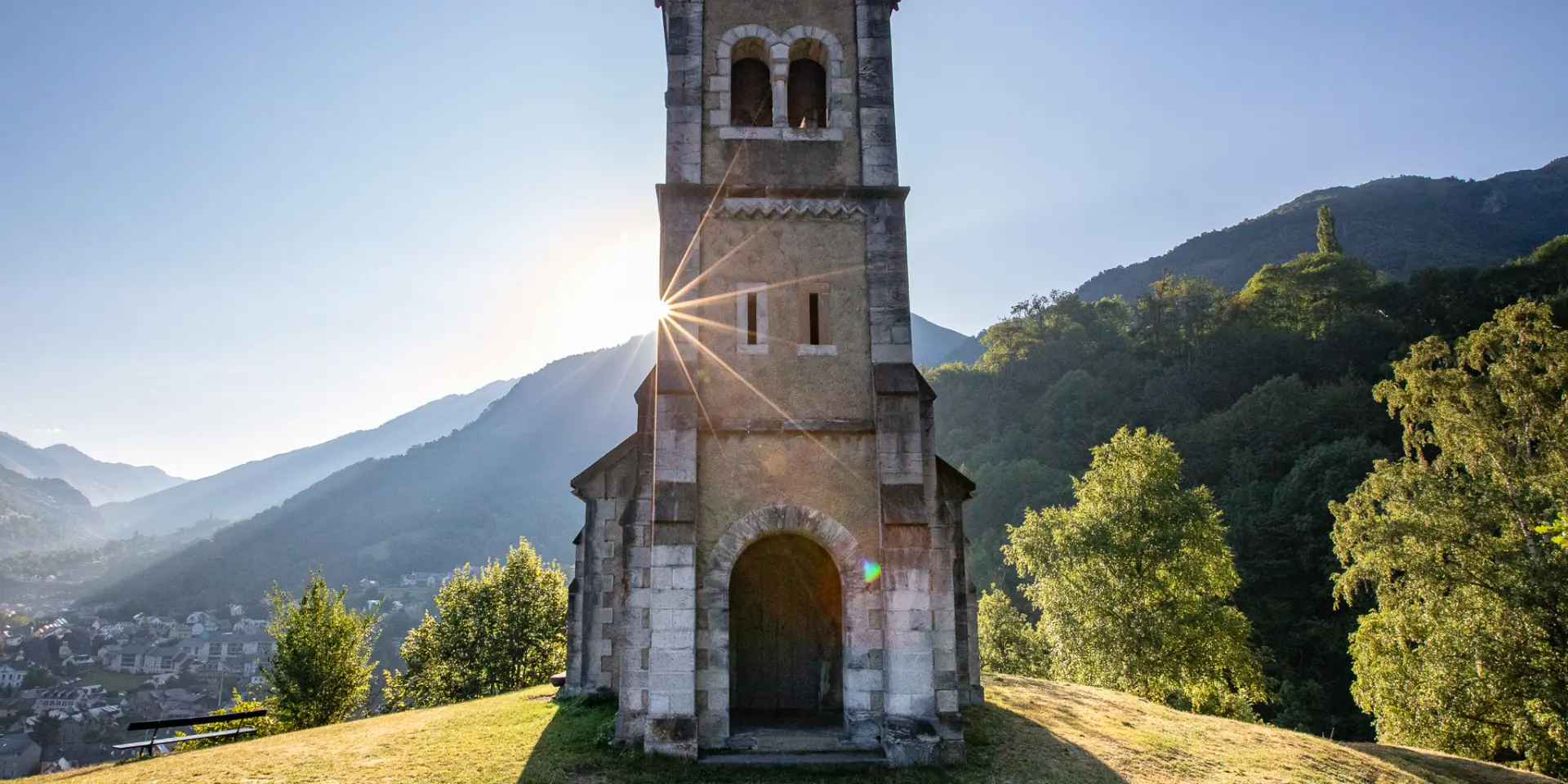
On the old road leading from the village of Luz to Gavarnie, a small hermitage dedicated to Saint Peter was built in the Middle Ages. When Napoleon III and Eugénie de Montijo visited Luz-Saint-Sauveur in 1859, the emperor was reportedly asked by local residents to help them rebuild a chapel made of marble from Lourdes on this very promontory. He named it the Chapel of Solferino in honour of the famous battle that had taken place in the Italian foothills. The work was completed in 1863.

You can still see the imperial couple’s monograms, N and E, there today.

Solférino Monument

An obelisk-shaped stele topped with a cross, erected in memory of the monk Ambroise, who died in 1778 and had settled on the hill during his stay in Luz-Saint-Sauveur, and in tribute to the victims of the Battle of Solferino.

section-banner-bottom

3 | Napoleon Bridge Mind-boggling!

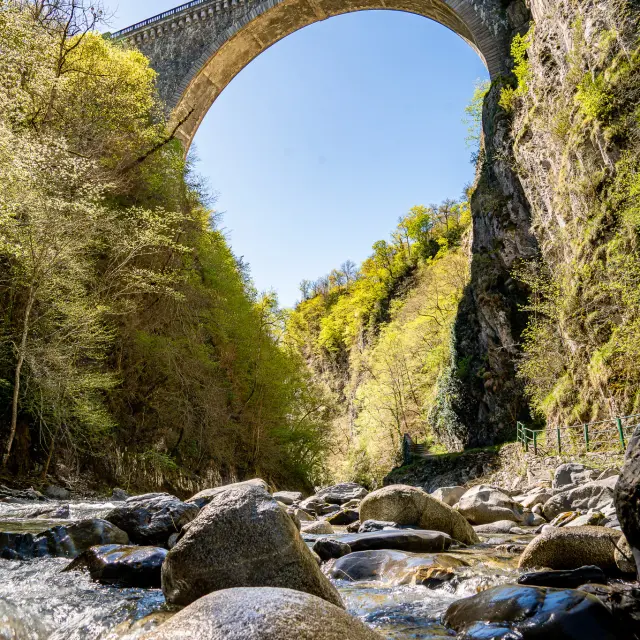
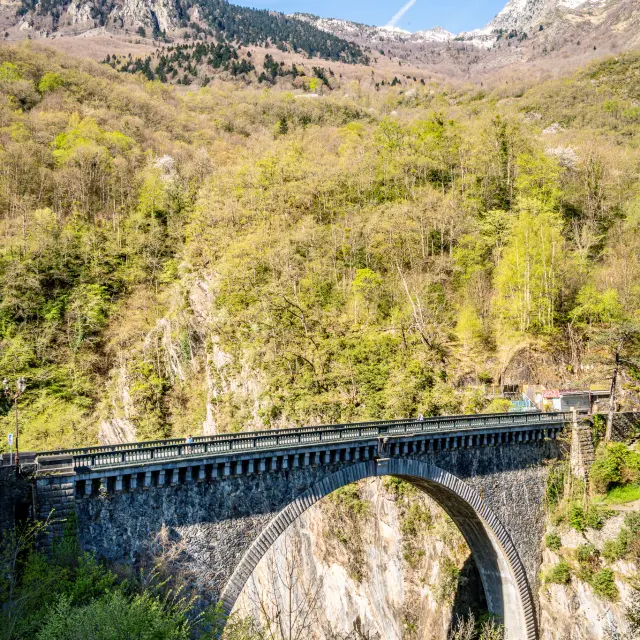
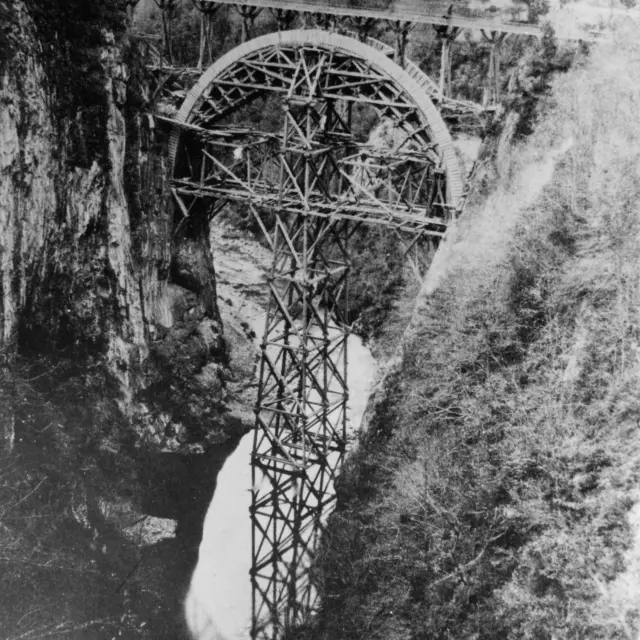
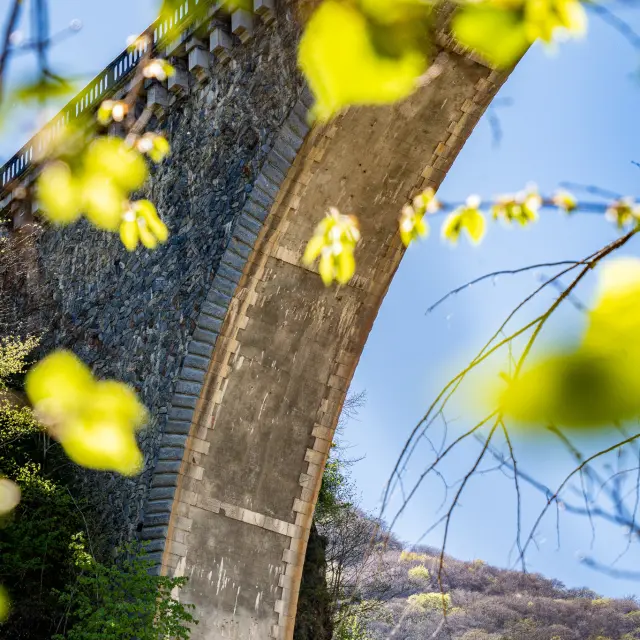
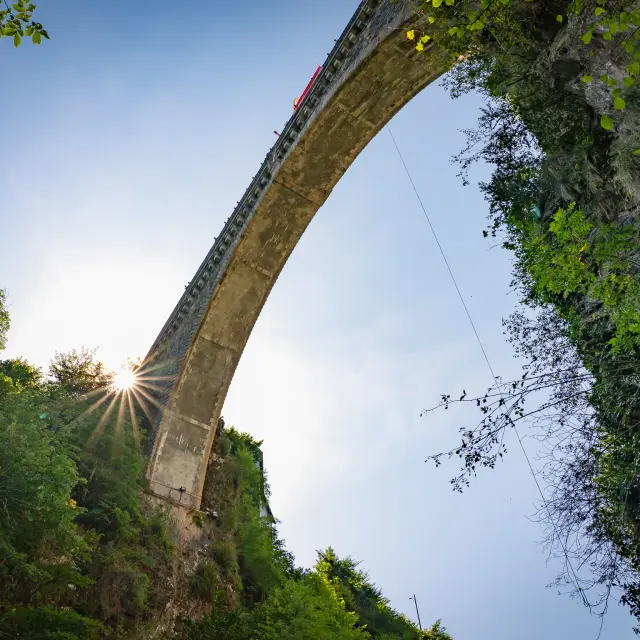
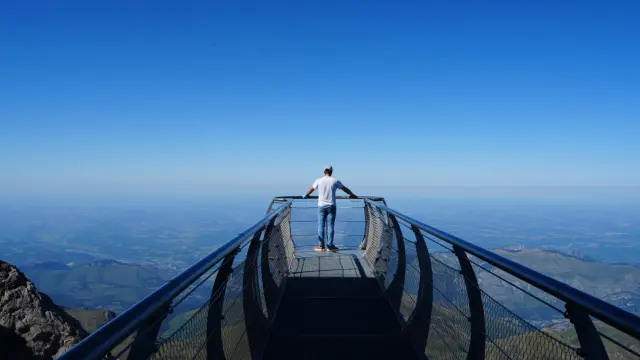
This monumental bridge, situated 70 metres above the Gave de Pau, was commissioned in 1859 by Emperor Napoleon III following his stay at the spa in Saint-Sauveur, with a view to linking the spa district to the road to Gavarnie. The construction project, which was spectacular for its time and led by the civil engineer Eugène-François Bruniquel, began in 1860 with the building of a formwork arch starting from a wooden tower erected on the riverbed. Opened to traffic in 1861, Napoleon III visited the site in 1863, as attested by the plaque affixed to the 68-metre-long deck.
A striking structure due to its dizzying height and the bungee jumping that takes place there, it can be discreetly explored beneath its arch near the water by following the Promenade Eugénie.

The Napoleon Column, carved from Lourdes stone and topped with a marble eagle, was erected in 1863 by the Barège Valley Trade Union Committee in honour of the Emperor and the Empress.

4 | Imperial Chapel of Saint-Sauveur

Featuring remarkable stained-glass windows in the 19th-century Neo-Gothic style, this chapel, built in 1863 on the orders of Napoleon III, has always been intended as a place of worship. Thanks to generous donations from patrons and a renovation in the 2000s, it occasionally hosts exhibitions within its walls, thanks to the involvement of the Association des Amis de Saint Sauveur.

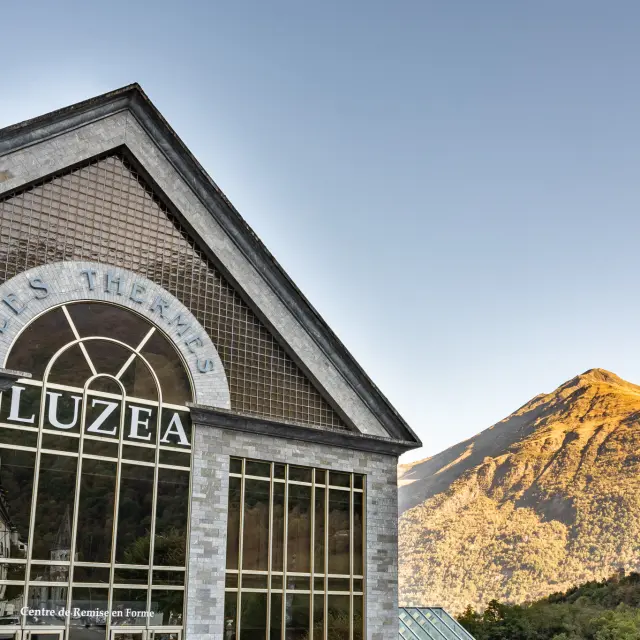
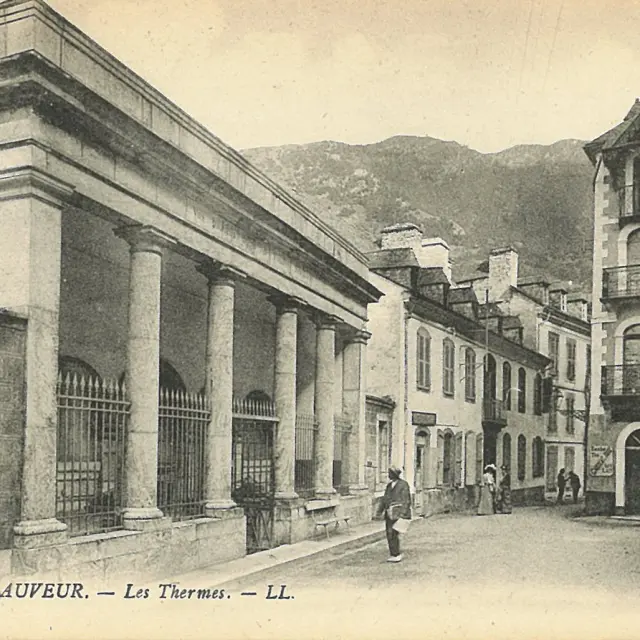
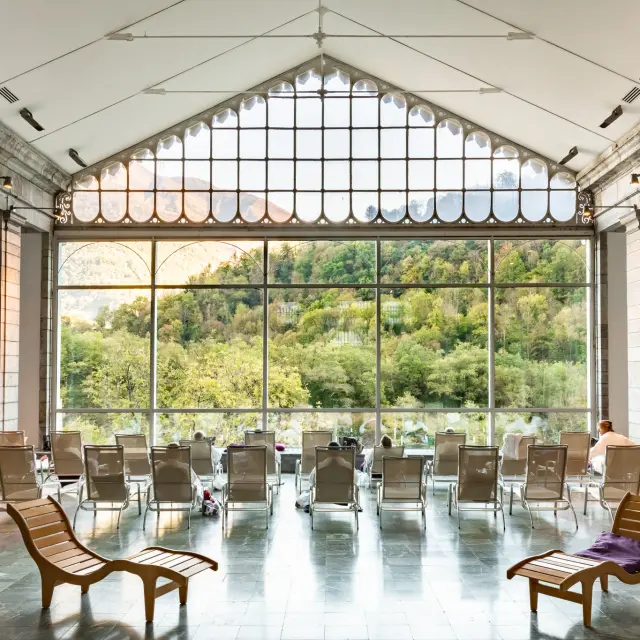
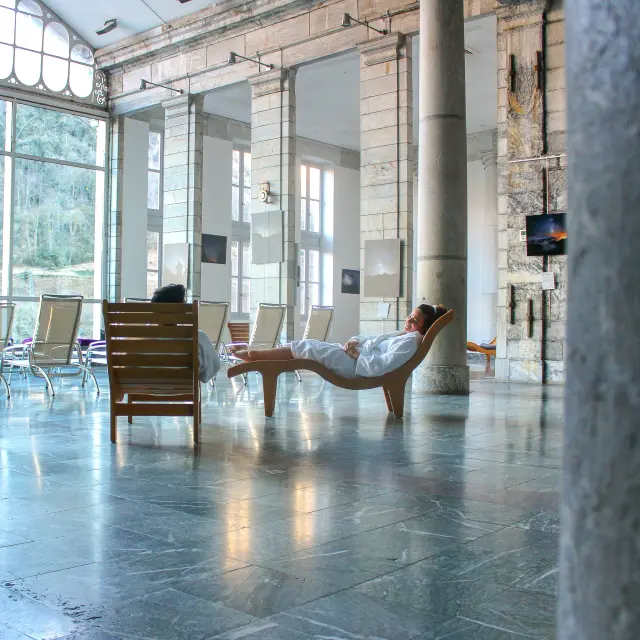
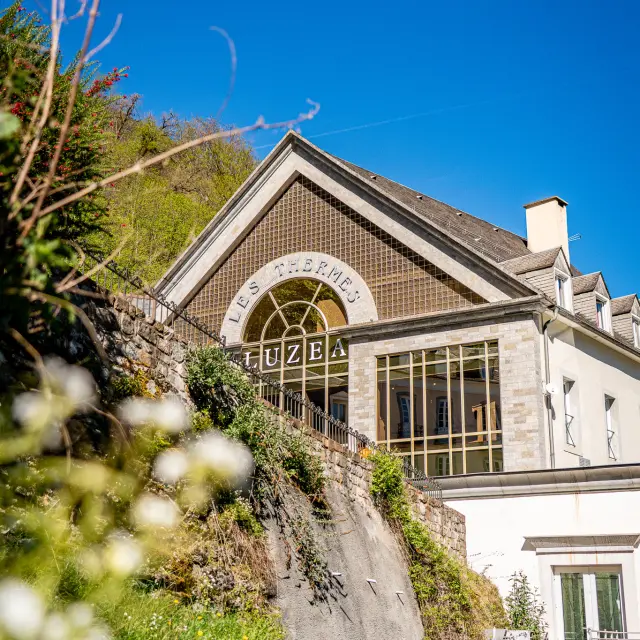
5 | Saint-Sauveur Thermal Baths and its hall with marble-like stonework

A will dating from 1504 already mentions the sanctuary of ‘Sent Saubador deu Banh’, comprising an oratory and a bath built near the spring. In 1572, a small building was erected to protect the spring, which was then recognised as a state-designated spring in 1730. Around 1750, Father Bézégua, who had been cured by the waters, helped to boost its reputation and encouraged the arrival of spa guests.

By the end of the 18th century, the site had expanded to include hotels, baths and a chapel, driven by the waters’ therapeutic benefits. In 1794, plans for a fully-fledged spa resort were drawn up. The 19th century marked the golden age of the thermal baths, which were expanded to accommodate a prestigious and international clientele. Figures such as the Duchesses of Berry and Angoulême came to stay there for the setting and the benefits of the treatments.

In 1859, the visit of Napoleon III and Empress Eugénie further enhanced the resort’s reputation and led to numerous improvements. In the 20th century, the facilities were modernised, notably with the opening of balneotherapy centres in 1996.

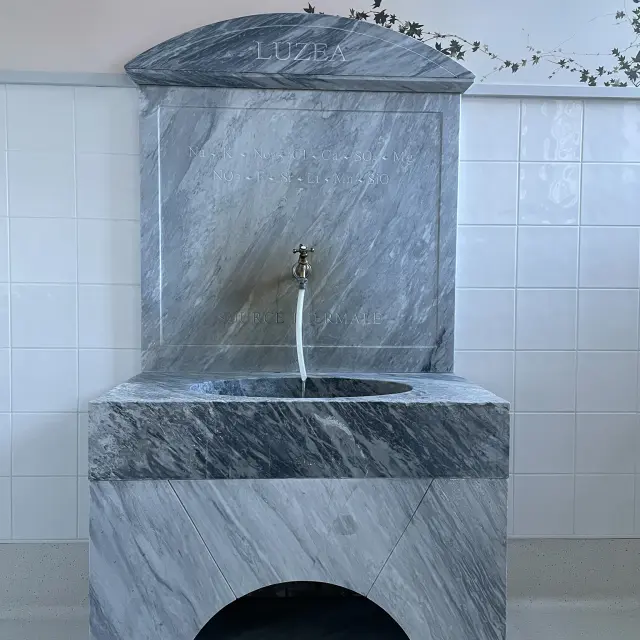
Today, the sulphurous waters of Saint-Sauveur remain renowned for their therapeutic properties in a number of medical fields.

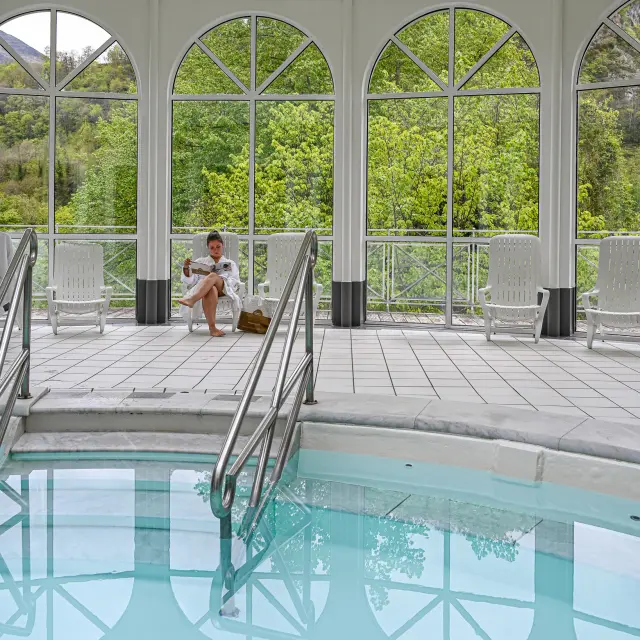
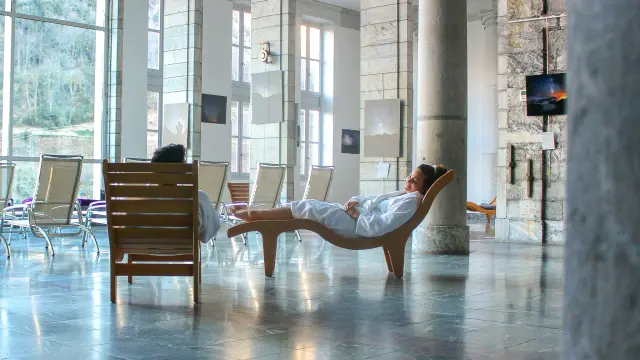
Step inside the thermal baths and discover the spa hall and its temporary exhibitions by local artists, then take a look at the replica of Eugénie’s bath.

Uncover the colourful stories What a brilliant idea!

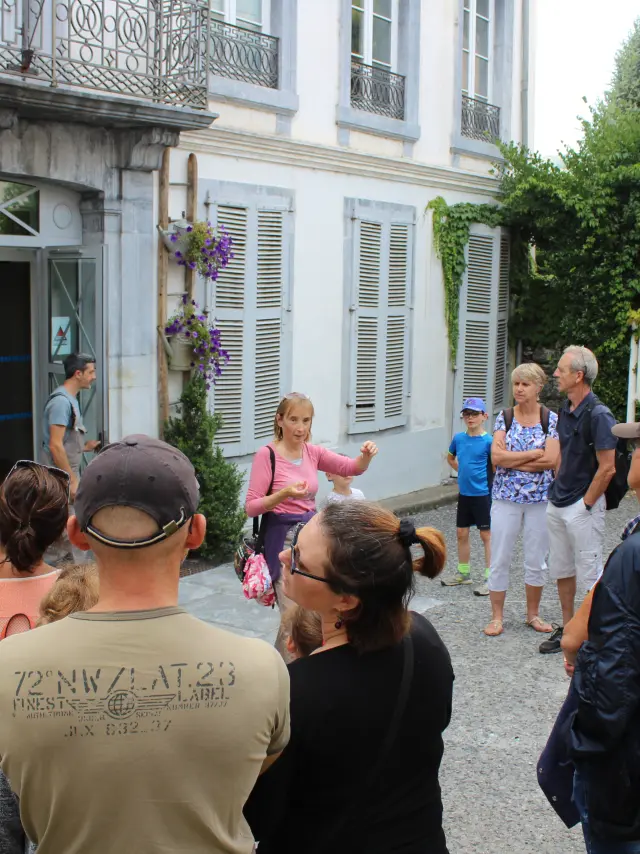
Take a journey through time as you explore the monuments and narrow streets with our tour guide, who will reveal the hidden secrets of the historic centre.

Free tours during the summer, Christmas and winter holidays (book at the Tourist Office).