
Fortified churchThe Legend of the Knights Templar
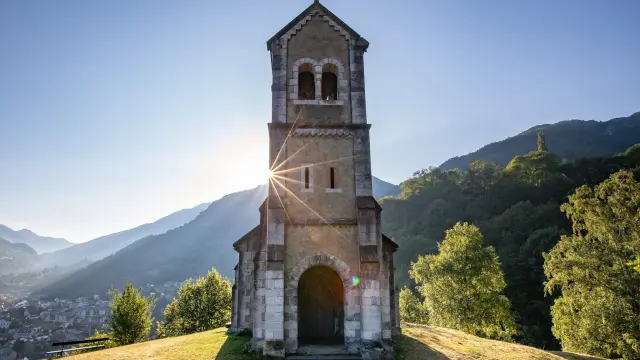
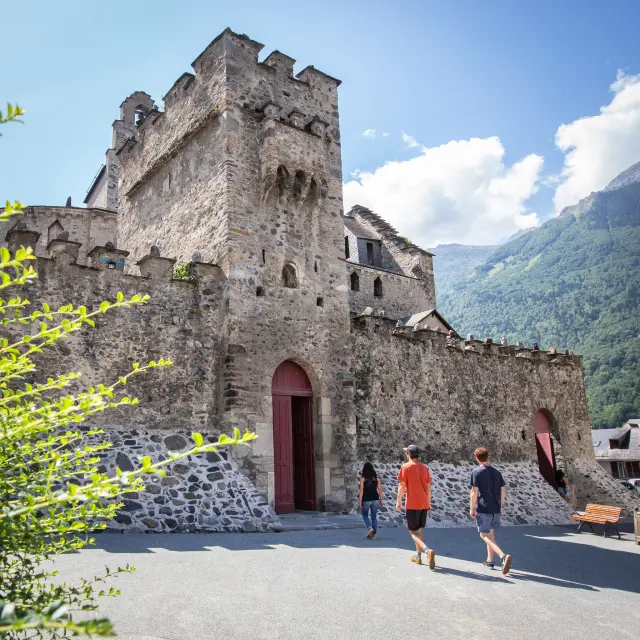
Its real name is the Church of Saint-André, and it is one of the best-preserved 12th-century religious buildings.
Fortified by the Knights Hospitaller of St John of Jerusalem in the 14th century – and not by the Knights Templar – to protect itself from bands of brigands during periods of unrest, it was subsequently occupied by the Order of Malta in the 18th century.
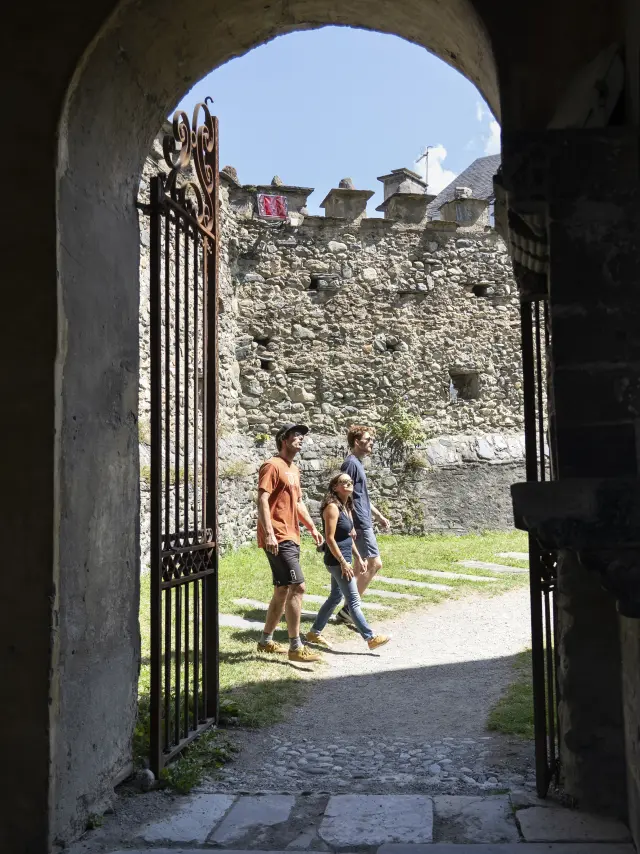
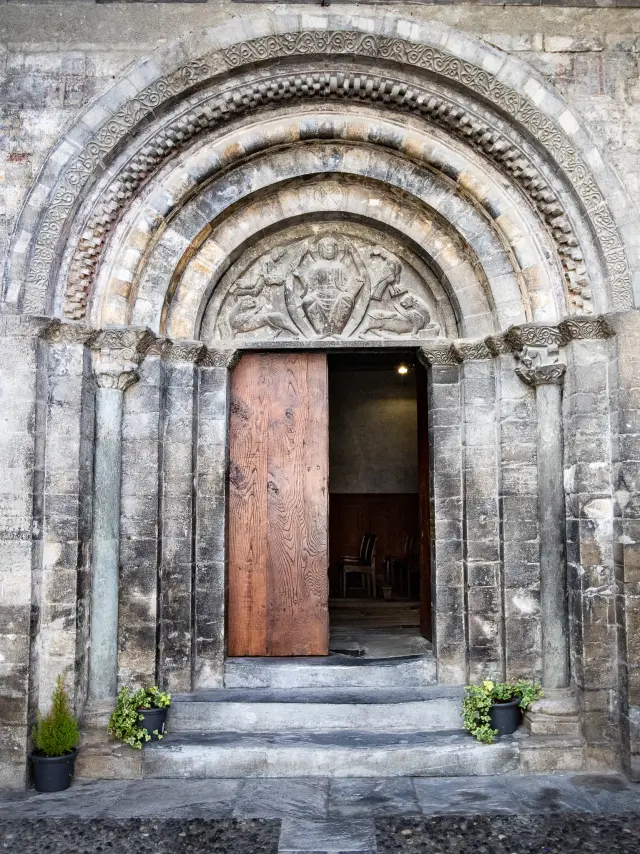
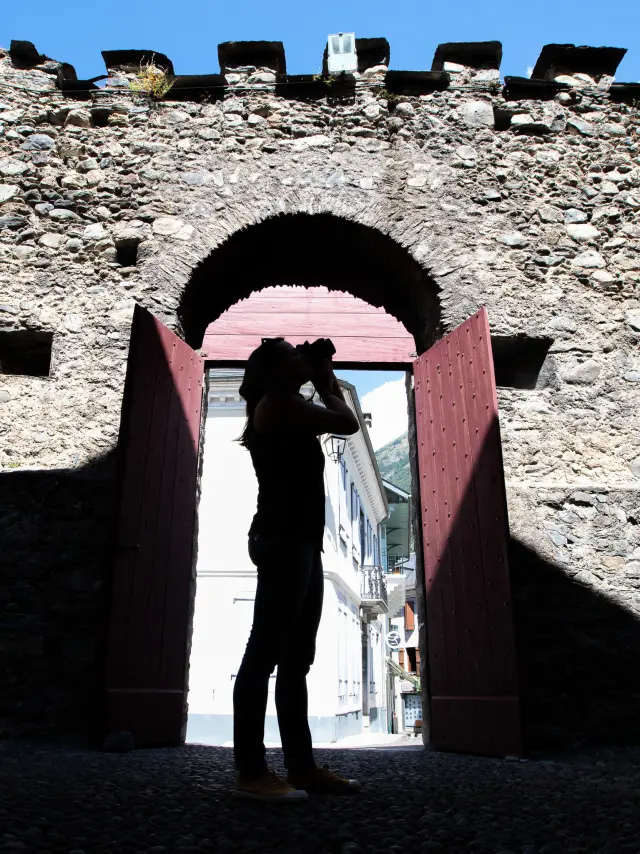
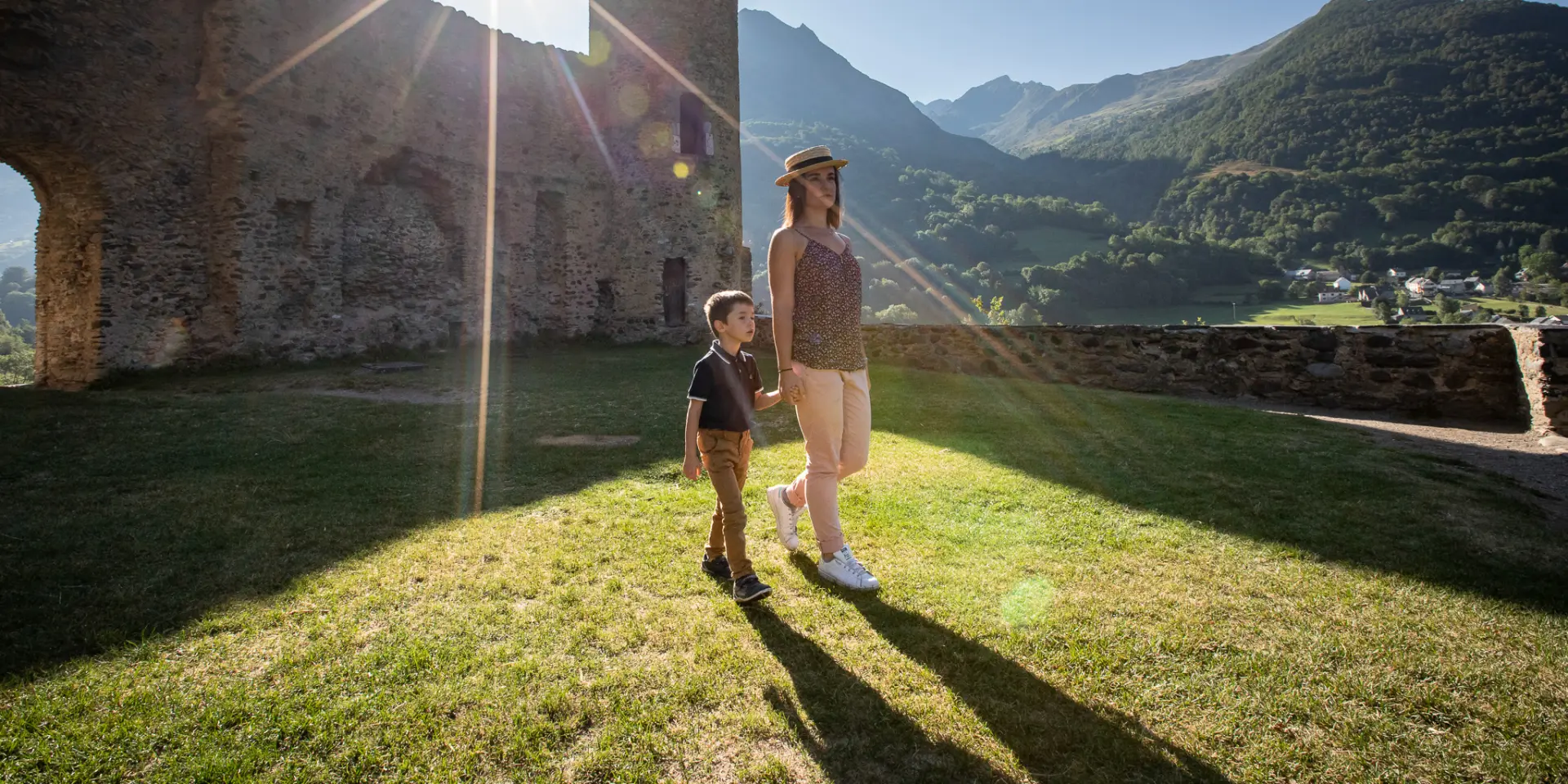
This church incorporates architectural features typical of a medieval fortress, including the remains of a drawbridge, battlements, arrow slits, and two towers – one known as the Arsenal and the other which served as a keep (now fitted with a clock). A remarkable vault depicting Christ and the four Evangelists adorns the entrance. Within the ramparts, tombs bear witness to the presence of a former cemetery. In the chancel, the gilded vault depicting Saint Andrew alongside Jesus, together with the 18th-century Baroque high altar and tabernacle, harmoniously illuminate the interior spaces of the building.
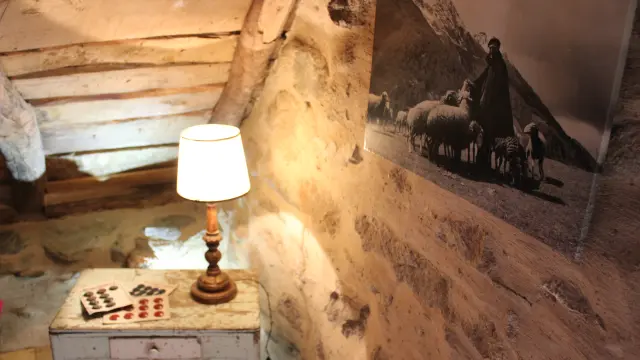
The Chapel of Our Lady of Mercy, built in the 17th century as a votive offering dedicated to the Virgin Mary following the terrible plague in 1650, now houses the Treasury Museum, an exhibition space for sacred art, the oldest of which dates back to the 13th century. Victor Hugo sketched this unique church from his bedroom window during his stay in Luz in 1843.
Open daily from 8.45 am to 7 pm.
190910 Templar church Pierre Meyer 21190910 2
|